The Environmental Benefits of Electric Forklifts
Modern logistics operations are facing a profound paradigm shift driven by evolving consumer expectations and strict regulatory standards. It is no longer sufficient to simply move high volumes of inventory from the loading dock to the delivery truck with maximum speed. Facility managers and business owners must now execute these complex operations with a deep, uncompromising focus on environmental responsibility. As supply chains face increasing pressure to lower their carbon footprints, evaluating the machinery powering your warehouse floor becomes the most critical step in your operational planning.
Understanding the environmental benefits of electric forklifts provides a clear roadmap for organizations looking to modernize their facilities without sacrificing raw lifting power. Transitioning away from traditional combustion engines transforms your logistics center into a highly efficient, sustainable enterprise. This comprehensive guide explores exactly how advanced battery-powered machinery directly reduces harmful emissions, drastically improves the daily health of your workforce, and eliminates unnecessary industrial waste. By examining these compelling advantages, logistics leaders can make highly strategic equipment purchasing decisions that protect both their profit margins and the environment.
Eliminating Direct Exhaust Emissions
The most prominent environmental challenge in the heavy material handling industry stems from a historical reliance on fossil fuels. Traditional internal combustion engines actively burn propane, diesel, or gasoline to generate hydraulic and travel power. This relentless combustion cycle continuously pumps toxic exhaust, including carbon monoxide and heavy particulate matter, directly into the surrounding atmosphere. When comparing electric forklifts vs gas forklifts, this fundamental difference in power generation represents a massive environmental turning point for facility operators.
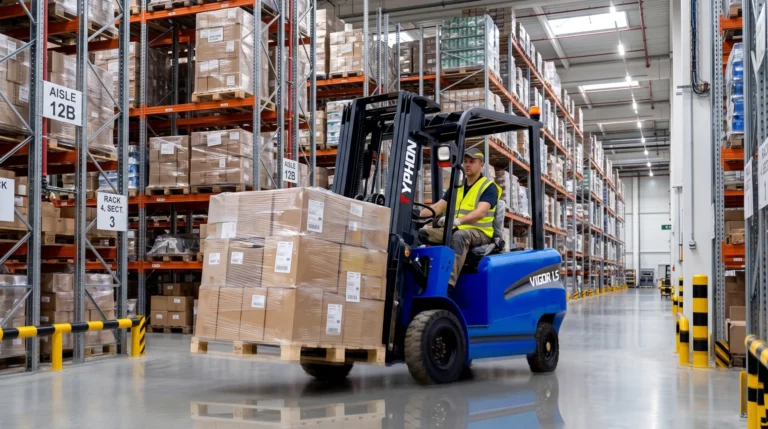
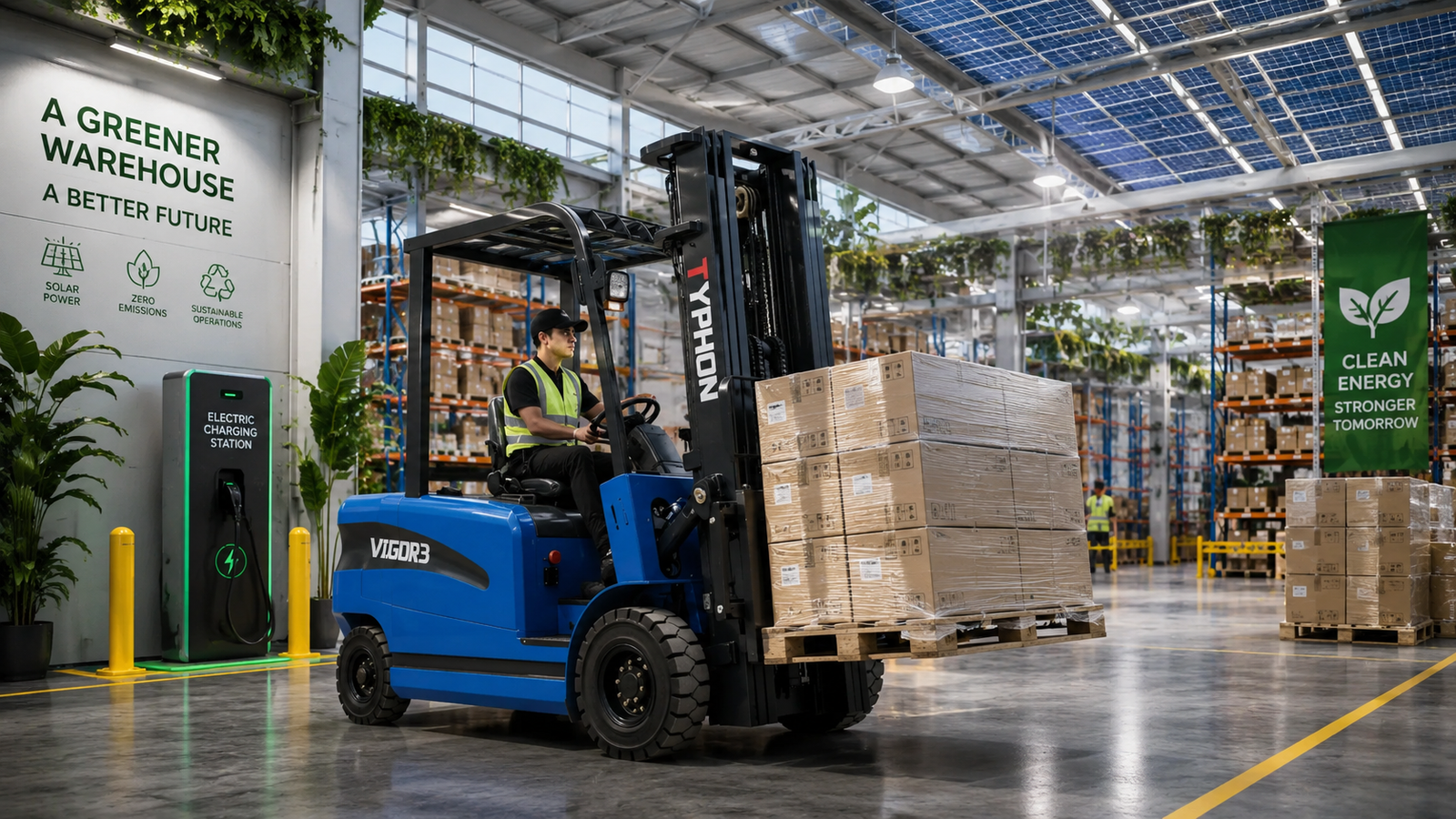
Electric forklifts eliminate this environmental hazard entirely by producing absolutely zero direct tailpipe emissions during operation. Because they rely on advanced battery systems and alternating current drive motors, these machines perform their heavy lifting without burning a single drop of fossil fuel on the facility floor. By deploying this clean technology, logistics leaders instantly remove thousands of pounds of harmful greenhouse gases from their annual operational footprint.
This massive reduction in direct emissions serves as the absolute foundation of electric forklift sustainability. Furthermore, as municipal energy grids continue to transition toward renewable energy sources like wind and solar, the indirect emissions associated with charging these machines drop even further. Achieving this level of clean power generation is essential for the global environment, but the most immediate impact is felt directly inside the walls of your own distribution center.
Transforming Indoor Air Quality
Operating internal combustion equipment inside an enclosed warehouse naturally creates a dangerous and highly toxic internal atmosphere. As traditional forklifts idle in loading bays or accelerate down narrow aisles, their concentrated exhaust fumes become trapped beneath the facility roof. To protect the workforce from severe respiratory distress, facility managers must spend a massive amount of working capital running enormous, energy-intensive industrial ventilation systems. This aggressive HVAC cycling wastes an incredible amount of electricity just to maintain baseline occupational safety standards.
Deploying clean warehouse equipment completely resolves this severe indoor air quality crisis. Because electric forklifts generate no exhaust fumes, there is absolutely no toxic particulate matter settling on your inventory or circulating through the lungs of your employees. Facility managers can significantly scale back their heavy mechanical ventilation systems, drastically reducing the building’s overall daily energy consumption.
The real-world impact of this clean air transition is a deeply protected, highly focused workforce that operates in absolute physical comfort. When operators and pedestrian pickers are no longer breathing harsh chemical exhaust, overall facility health improves, and costly employee turnover naturally decreases. Securing the air quality of your facility is a critical operational victory, but creating a truly healthy work environment also requires addressing the invisible threat of mechanical vibration and noise.
Combating Warehouse Noise Pollution
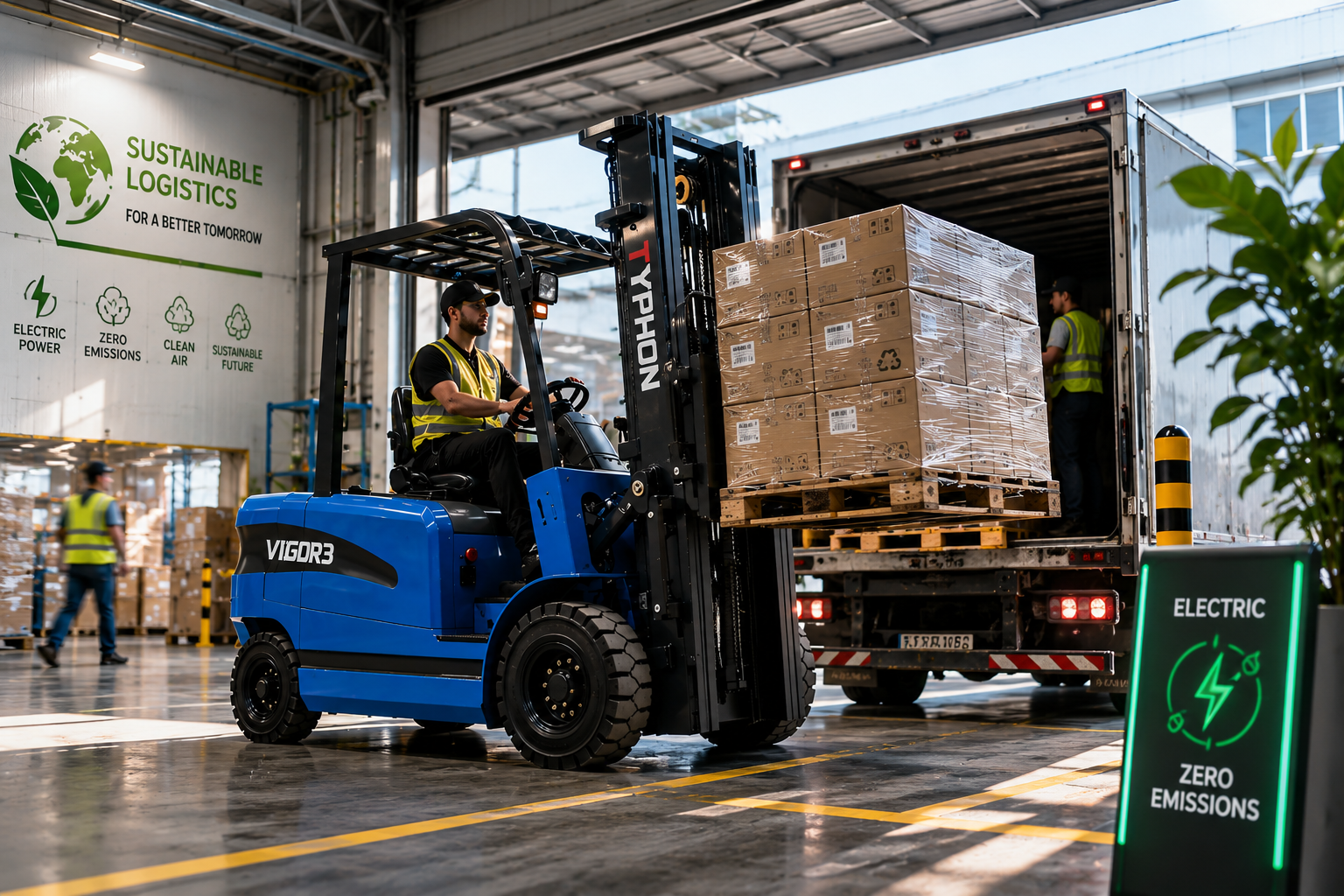
While invisible gases represent an obvious environmental hazard, extreme acoustic pollution acts as a highly destructive environmental stressor on the warehouse floor. Traditional combustion engines rely on thousands of controlled miniature explosions every minute, creating a deafening mechanical roar that echoes aggressively across hard concrete floors and steel racking systems. This constant wall of sound actively degrades the local environment, forcing workers to endure extreme acoustic fatigue throughout their grueling shifts.
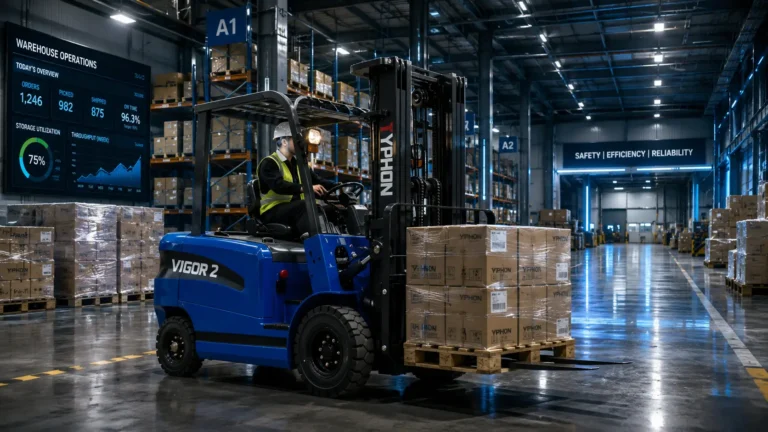
Electric forklifts combat this severe auditory pollution by operating with a smooth, barely audible hum. The electric drive system contains only a fraction of the moving parts found in a traditional engine, completely eradicating the aggressive mechanical grinding and intense physical vibration. Lowering the ambient noise level across the facility significantly reduces the environmental stress placed on the human body, creating a remarkably calm and deeply professional logistics center.
This massive reduction in warehouse noise directly enhances workplace safety and operational coordination. Because the environment is so much quieter, operators and floor staff can easily communicate complex lifting instructions using standard vocal tones. Your team executes tight maneuvers flawlessly on the first attempt, preventing costly inventory collisions. Protecting your team from acoustic fatigue is vital, and this streamlined, efficient machinery also actively protects the local environment from hazardous industrial waste.
Reducing Preventable Maintenance Waste
Maintaining a fleet of traditional combustion forklifts requires managing a massive, ongoing stream of toxic industrial waste. Internal combustion engines demand constant fluid changes, requiring mechanics to frequently drain and replace heavy motor oil, transmission fluids, and engine coolant. Additionally, these machines run through thousands of disposable air and oil filters over their lifespan. If these hazardous liquids and synthetic filters are not managed and disposed of with absolute perfection, they pose a severe threat of contaminating local soil and municipal water supplies.
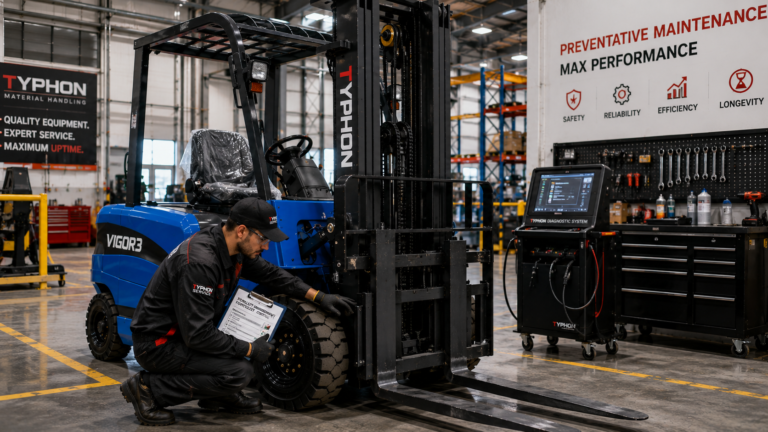
The environmental benefits of electric forklifts extend deeply into the maintenance bay because these machines completely eliminate this toxic waste stream. An electric drive motor requires no engine oil, no spark plugs, and no disposable fuel filters. By stripping away these demanding mechanical requirements, facility managers prevent hundreds of gallons of hazardous petroleum products from ever entering their maintenance facilities in the first place.
This massive reduction in preventative maintenance waste heavily supports a clean, sustainable operational footprint. You significantly lower your environmental liability while simultaneously cutting your long-term maintenance costs and keeping your heavy equipment consistently active on the warehouse floor. Optimizing this maintenance schedule perfectly complements the incredible strides made in overall machine efficiency and battery performance.
Maximizing Energy Efficiency and Power
Historically, logistics operators hesitated to adopt electric equipment due to fears surrounding limited battery life and inefficient charging cycles. Early electric models required long, eight-hour charging periods and cumbersome battery swaps that severely disrupted fast-paced workflows. However, the modern material handling market has completely overcome these historical limitations through massive investments in advanced energy storage.
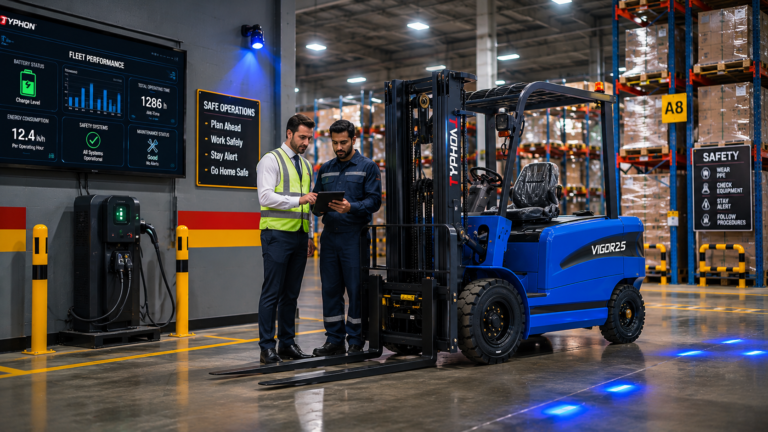
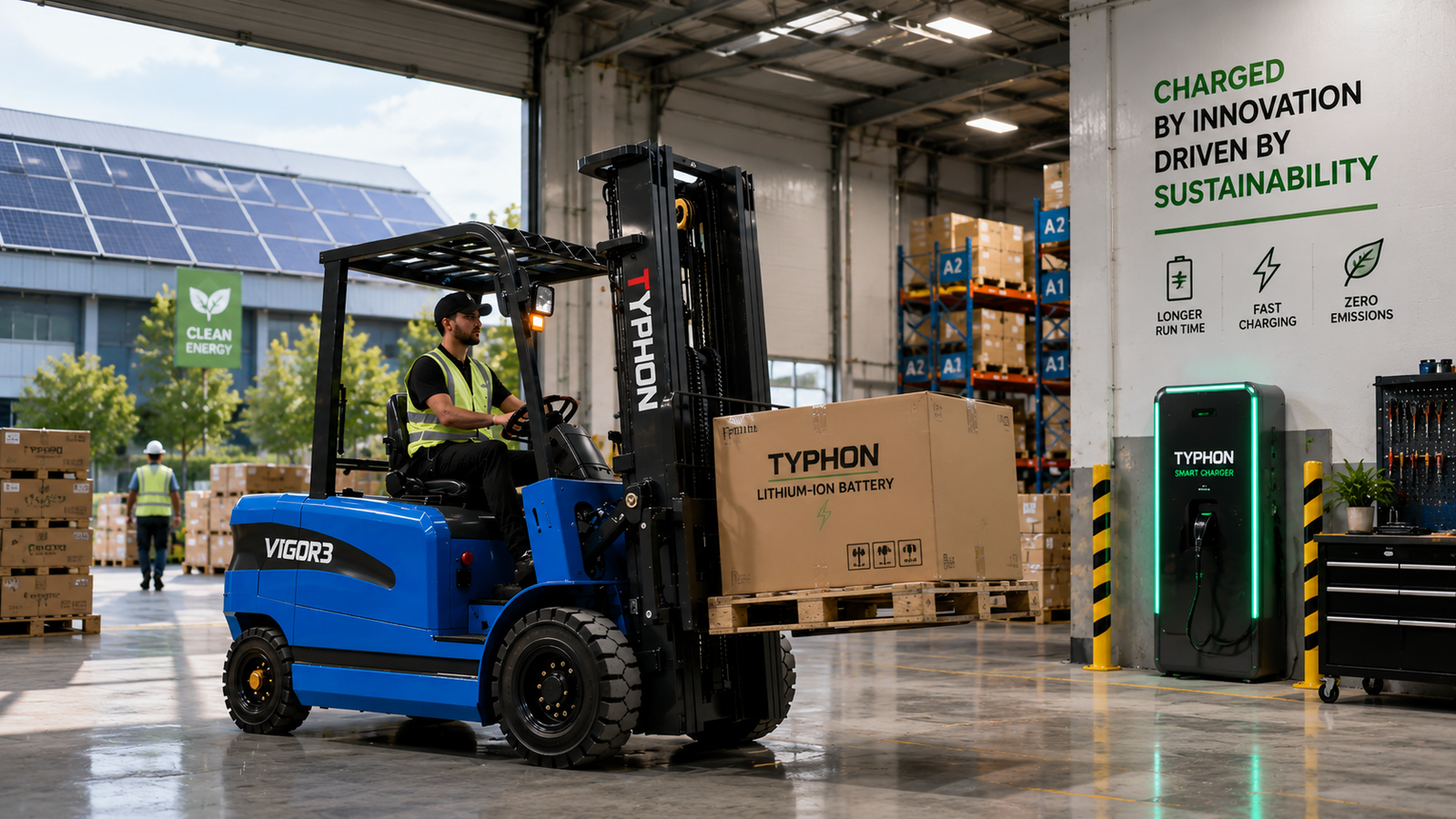
Battery and charging technology improvements have made electric forklifts a highly practical, relentlessly powerful option for nearly every industrial application. Modern lithium-ion batteries boast incredible energy density, allowing heavy machines to lift massive payloads for entire shifts without experiencing a drop in voltage. Furthermore, the advent of rapid opportunity charging allows operators to plug their machines in during standard lunch breaks, effortlessly keeping the equipment powered through demanding, multi-shift manufacturing schedules.
These sophisticated machines also utilize regenerative braking technology, which captures the kinetic energy generated when the forklift slows down and feeds it directly back into the battery. This brilliant engineering maximizes energy efficiency and ensures that every ounce of power is utilized effectively. Equipping your facility with this level of intelligent power management sets the ultimate stage for achieving your most ambitious corporate sustainability targets.
Supporting Corporate ESG and Sustainability Goals
The global business landscape has evolved to heavily prioritize Environmental, Social, and Governance (ESG) standards. Corporate clients, municipal partners, and modern consumers strictly demand that their supply chain partners actively demonstrate a verified commitment to sustainable operations. Relying on outdated, high-emission material handling equipment actively damages your professional reputation and severely limits your ability to secure lucrative, forward-thinking business contracts.
Electric forklifts act as a powerful, highly visible pillar for your broader ESG initiatives. When you transition your fleet to advanced battery power, you generate hard, verifiable data proving a massive reduction in corporate carbon emissions and facility energy consumption. Environmental performance is rapidly becoming a primary factor in equipment buying decisions precisely because this data is required to meet the strict sustainability demands of modern corporate partnerships.
Investing in clean warehouse equipment proves to the market that your business is deeply committed to long-term environmental stewardship. You build absolute trust with your stakeholders by proving that your operations protect the planet while maintaining unyielding logistical precision. Taking the time to align your heavy equipment with your corporate values guarantees a fiercely competitive advantage in the modern supply chain.
Securing a Clean and Profitable Future
The machinery deployed within your distribution center dictates far more than just how quickly you can load a commercial truck. It actively determines the health of your workforce, the cleanliness of your community, and the ultimate viability of your corporate legacy. Attempting to meet the rigorous demands of the modern supply chain while ignoring environmental responsibility is a strategy that guarantees eventual operational failure.
Embrace the profound environmental benefits of electric forklifts and take a highly strategic look at your current fleet operations. By investing in zero-emission technology, you drastically improve your indoor air quality, eliminate toxic maintenance waste, and secure a flawlessly efficient logistical workflow. Partner with a trusted equipment provider today to evaluate your unique facility requirements, and build a highly sustainable, fiercely reliable logistics enterprise that will dominate the market for decades to come.