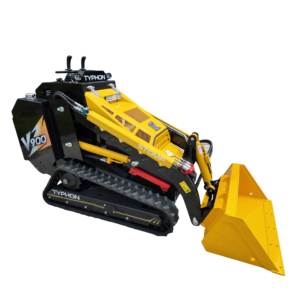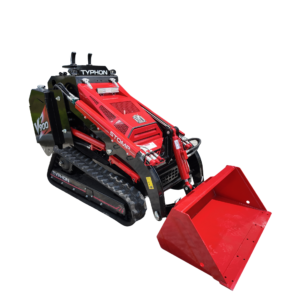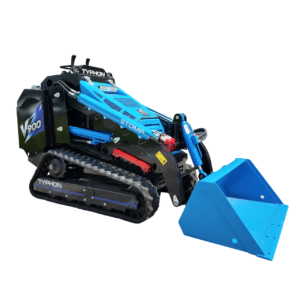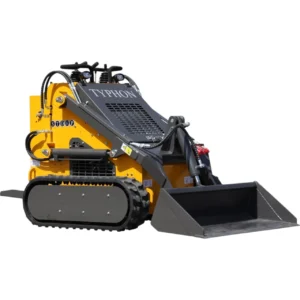
The Ultimate Guide to Skid Steer Loaders
In the world of heavy machinery, few vehicles command as much respect and reliance as the skid steer loader. Often referred to as the "Swiss Army Knife" of the construction world, these compact, engine-powered machines are defined by their rigid frames and lift arms that can be fitted with a staggering variety of labor-saving attachments.
At American Forklift, we recognize that productivity isn't just about raw power; it's about the ability to apply that power in the most efficient way possible. A skid steer loader for sale from our inventory represents a fusion of high-torque performance and surgical precision. Unlike traditional front loaders, the skid steer's wheels are fixed in a straight line. To turn, the operator varies the speed of the wheels on one side, causing them to "skid" across the ground—a mechanic that allows for a zero-radius turn, making it indispensable in tight urban alleys, residential backyards, and crowded warehouses.
Choosing the right equipment requires an understanding of your specific job site demands. Whether you are looking for a vertical lift path for high-reach loading or a radial lift path for aggressive digging and grading, our fleet of compact construction equipment is engineered to meet the highest industrial standards. This guide explores why the skid steer remains the gold standard for versatility and how it can revolutionize your operational efficiency.
-
Rated 0 out of 5Sale!EXPLORE MORE$15,999Original price was: $15,999.$13,998.80Current price is: $13,998.80. -
Rated 0 out of 5Sale!EXPLORE MORE$19,999Original price was: $19,999.$14,999Current price is: $14,999.
Understanding Lift Paths: Radial vs. Vertical
Not all skid steers are built for the same task. The geometry of the lift arm determines the machine's best application.
Radial Lift Path
Radial lift machines move in an arc. They offer the greatest reach at mid-range heights, making them the preferred choice for excavation, grading, and site preparation. Because they have fewer pivot points, radial lift models are generally more durable for heavy-duty digging and pushing tasks.
Vertical Lift Path
Vertical lift machines keep the load closer to the machine throughout the lift cycle. This provides a higher reach and more stability at full height. If your primary work involves loading trucks, stacking pallets, or high-clearance material handling, a vertical lift skid steer is your most efficient partner.
Why Professionals Choose Our Loaders
High-Torque Powerplants
Equipped with Tier 4 Final engines, our loaders deliver massive torque at low RPMs. This ensures you have the hydraulic "breakout force" needed to rip through compacted soil or lift heavy debris without stalling.
Advanced Hydraulic Systems
Precision is nothing without control. Our machines feature load-sensing hydraulics that automatically adjust to the weight of your load, providing smooth, predictable movement for delicate pallet work or aggressive demolition.
Operator-Centric Safety
Safety is not an optional extra. Every machine includes a ROPS (Roll-Over Protective Structure) and FOPS (Falling Object Protective Structure) certified cab, ensuring operator protection in the most hazardous environments.
Universal Attachment Plates
Our skid steers utilize industry-standard quick-attach systems. This means you can switch from a bucket to a grapple, or a trencher to a snow blower, in under 60 seconds without leaving the comfort of the cab.
Efficiency & Fuel Economy
By optimizing the power-to-weight ratio, these machines consume less fuel per operating hour than larger excavators, significantly lowering your total cost of ownership over the life of the machine.
Telematics Ready
Modern fleet management requires data. Many of our units come equipped with telematics to track location, fuel consumption, and service intervals, allowing for proactive maintenance and anti-theft security.
Versatility Across Every Industry
From the farm to the freeway, the applications of a skid steer are limited only by the attachment you choose.
Commercial Construction
In high-density urban construction, space is a luxury. Skid steers handle backfilling, material transport, and site cleanup where larger loaders simply cannot fit.
Professional Landscaping
For hardscaping projects, these machines are essential for grading land, moving heavy boulders, and digging irrigation trenches.
Agriculture & Farming
Whether it’s cleaning livestock pens, stacking hay bales, or maintaining fence lines, the skid steer is a farmer's best friend.
Demolition & Remediation
Fitted with hydraulic breakers or shears, a skid steer becomes a demolition powerhouse. It can strip interiors and break up concrete slabs.
One Machine, Fifty Solutions
The true value of a skid steer lies in its ability to adapt. We offer a full catalog of attachments to maximize your investment.
Investing in a skid steer is essentially investing in a multi-purpose platform. By utilizing the auxiliary hydraulic flow of the machine, you can power complex tools that would otherwise require dedicated, expensive machinery. For example, a hydraulic auger can drill hundreds of post holes in a single day, while a cold planer attachment allows you to mill asphalt for road repairs at a fraction of the cost of a dedicated milling machine.
Climate Control
Insulation
Cameras
Air-Ride Seats
Ergonomics Meets Productivity
Operator fatigue is a major contributor to site accidents and decreased productivity. Modern skid steer loaders are designed with "cab-forward" engineering, placing the operator closer to the attachment for superior visibility. Our pressurized cabs keep out dust and noise, while air-suspension seating absorbs the jolts of rough terrain.
Frequently Asked Questions
What is the difference between a Skid Steer and a Compact Track Loader (CTL)?
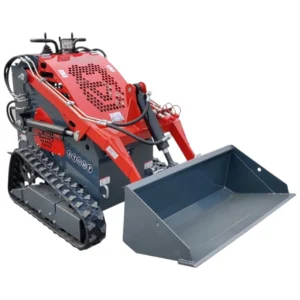
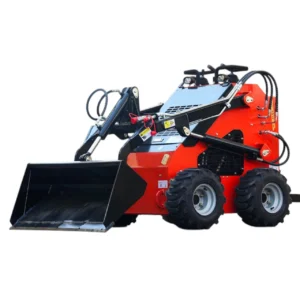
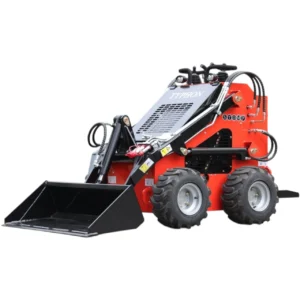
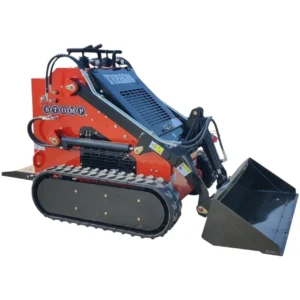
A skid steer uses four wheels and is ideal for hard surfaces like concrete or asphalt. A CTL uses rubber tracks, providing better flotation on soft ground.
How do I choose the right size skid steer for my project?
Size is determined by Rated Operating Capacity (ROC). Small-frame units are great for landscaping, while mid-size and large units handle general construction and heavy demolition.
What does "High Flow" hydraulics mean?
"High Flow" systems provide increased gallons-per-minute (GPM) to power heavy-duty attachments like cold planers or mulchers.
Are skid steers easy to transport?
Yes. Most mid-sized skid steers weigh between 6,000 and 8,000 lbs, meaning they can be safely towed by a 3/4-ton pickup truck using a standard trailer.