Electric Forklift Maintenance & Repair Guide
Strong forklift websites do not stop at the sale. This page supports your buying guide by helping visitors understand preventive maintenance, common repair issues, battery care, mast inspections, and the service habits that protect uptime after the truck is delivered.
The maintenance mindset that protects forklift uptime
Preventive service costs less than reactive repairs almost every time. These cards frame the page around the questions maintenance managers and warehouse buyers actually care about.
Daily inspections are cheaper than emergency breakdowns
Small issues like tire damage, leaking hydraulics, loose connectors, or charger misuse become larger repair costs when they are missed for weeks.
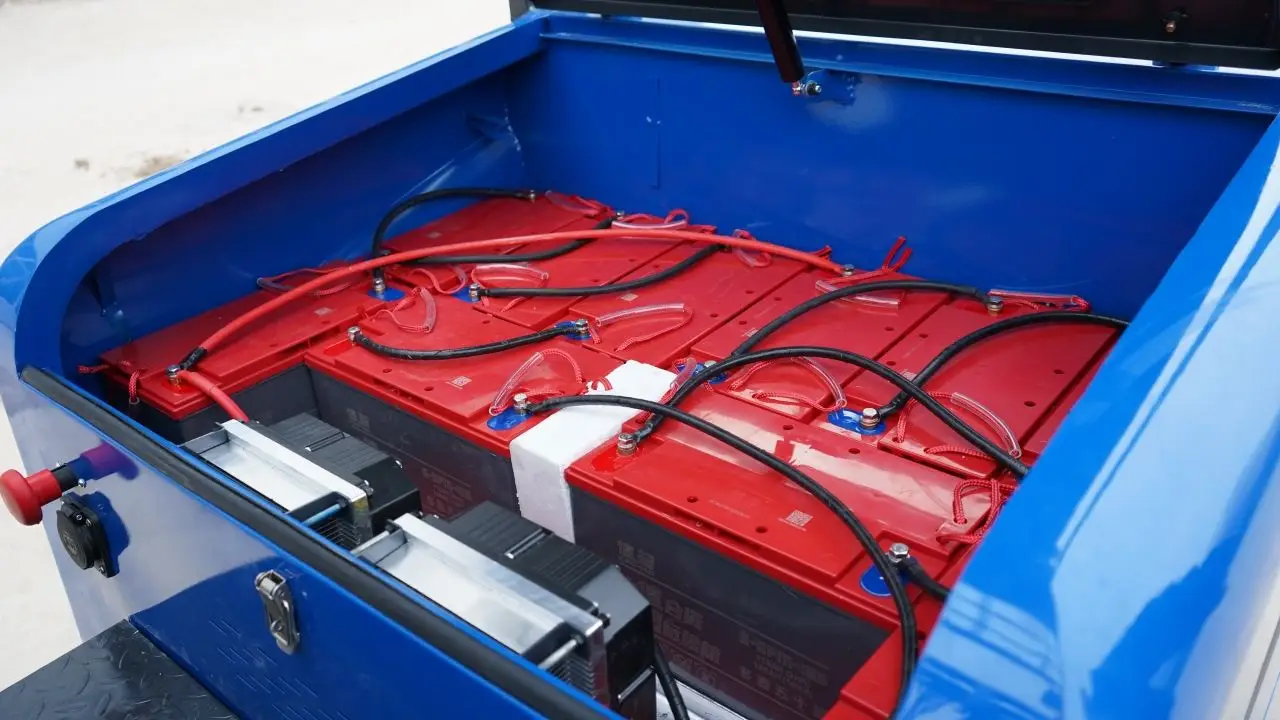
The battery routine shapes repair frequency
The service approach should match the battery strategy chosen in your buying guide. Charging behavior, watering, and cable care all affect uptime.
Good records help you repair faster and replace smarter
Track hours, repeat faults, technician notes, and downtime impact. Those records help justify future buying decisions and make project deployment more predictable.
A simple preventive maintenance rhythm
This structure is intentionally easy to scan, making it useful for both readers and search engines.
Pre-shift checks
Look at forks, tires, chain condition, hydraulic leaks, warning lights, brakes, steering, and battery or charger condition before the truck enters a full shift.
Clean, tighten, inspect
Clean around battery or charging areas, check connector heat marks, review mast lubrication points, and inspect for wear patterns that operators may not report.
Functional review
Confirm lift, lower, tilt, travel, braking, and steering response. Review error codes and compare hours to your maintenance schedule.
Planned service window
Use a deeper technician review for electrical systems, chains, mast rollers, hydraulic lines, software diagnostics, and charger performance.
Common electric forklift symptoms and where to start
This section helps visitors move from a symptom to a smarter first inspection point without pretending to replace a qualified technician.
| Symptom | Likely area | First check |
|---|---|---|
| Weak runtime | Battery health or charger process | Check charge behavior, connector condition, and shift demand. |
| Slow lift speed | Hydraulics, battery output, or controls | Look for leaks, pressure loss, or performance drop under load. |
| Steering or braking feels off | Tires, brake system, or steering response | Inspect wear patterns and confirm the truck is not compensating for a surface issue. |
| Error codes or intermittent cut-out | Electrical connectors or control system | Review recent service notes and inspect high-use connector points. |
Do not separate maintenance from training
A repeated repair issue can also be a training issue. Tie fault reviews into your safety training page and operator habits page so small behavior patterns do not keep causing the same service calls.
Where repair budgets usually go first
The goal is not only to fix what breaks. It is to understand which repair categories cause the most disruption and deserve earlier planning.
Protect the energy system
Connector damage, charger mismatch, poor charging behavior, and neglected battery care reduce runtime and create expensive false diagnoses elsewhere in the truck.
Lift performance affects both safety and productivity
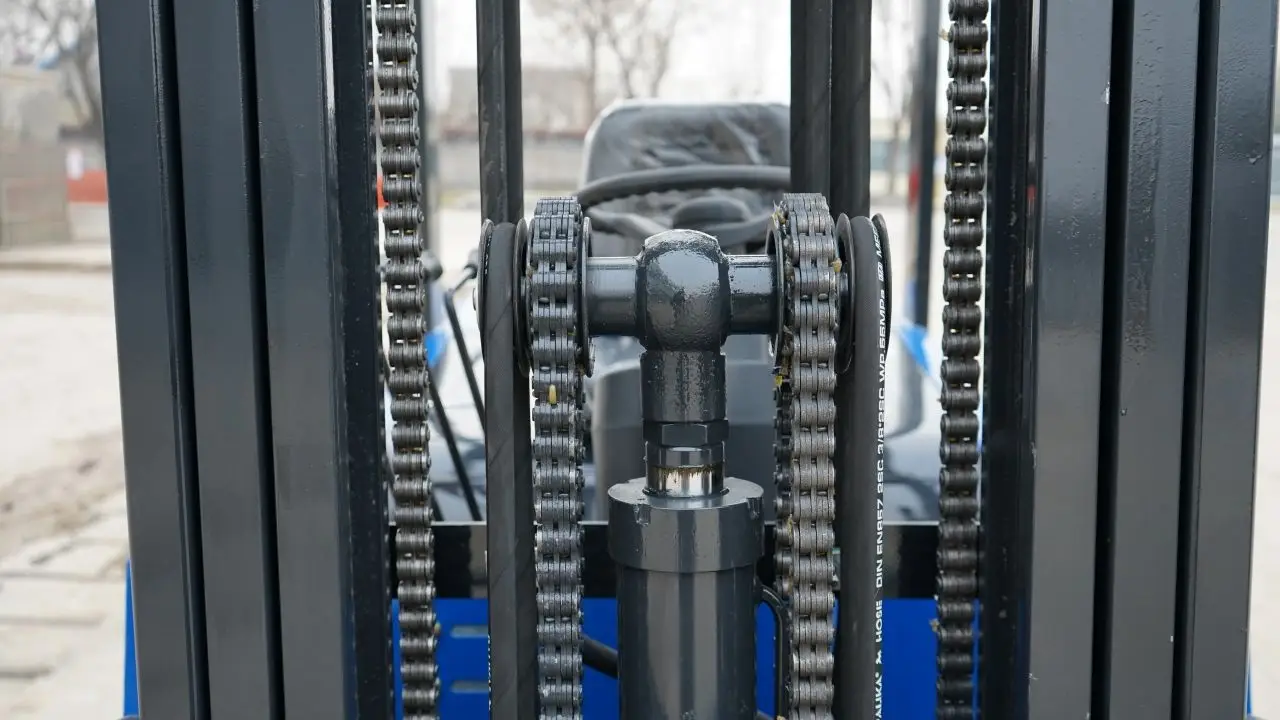
Slow lift speeds, leaks, chain wear, and mast alignment issues can quickly turn into safety concerns and operator complaints.
High-use wear items can hide bigger issues
Uneven tire wear may point to surface problems, driving habits, or load handling patterns that should also be addressed in your project planning.
Electrical faults need clean documentation
Intermittent issues are easier to resolve when operators report exact times, conditions, and warning signals. That is why process matters as much as hardware.
How to reduce surprise breakdowns and service delays
Readers landing here often want a practical plan, not a theory lesson. These actions turn the guide into a more useful operations resource.
Make operators report issues immediately with clear symptom notes and photos when possible.
Do deeper inspections before busy periods, relocations, or seasonal throughput surges.
Use what you learn here to improve future purchase specs on the buying guide and to support project uptime on the jobsite guide.
What is the most important daily maintenance habit?
A reliable pre-shift inspection is the most important habit because it catches obvious wear, leaks, damage, and charging problems before they become operational failures.
How does battery care affect repairs?
Poor battery practices can create runtime complaints, reduced lift performance, connector damage, and misleading fault patterns that take longer to diagnose.
Keep readers moving through the full forklift resource set
Service content becomes stronger when it links naturally to purchasing, training, operator behavior, and deployment planning.