Modern material handling is undergoing a profound transformation driven by the need for superior efficiency and strict environmental compliance. Facility managers can no longer accept the severe noise and toxic emissions that traditional internal combustion engines bring into their enclosed operations. The heavy equipment market has responded definitively by advancing battery technology, making electric machines the absolute standard for premium indoor logistics. This guide explores the best industries for electric forklifts and highlights exactly why these zero-emission machines dominate modern job sites.
By understanding how electric equipment directly supports cleaner indoor operations, quieter workflows, and lower maintenance needs, equipment buyers can make highly informed investments. We will explore the specific sectors where these machines excel, from massive retail distribution centers to strict pharmaceutical cleanrooms. Evaluating these specialized electric forklift applications allows logistics leaders to select the ideal machinery to protect their workforce, secure their inventory, and maximize their long-term operational profitability.
The Shift Toward Indoor Emission-Free Operations
Operating heavy machinery inside enclosed facilities has historically presented a severe challenge regarding indoor air quality and worker safety. Traditional combustion engines constantly pump dangerous carbon monoxide and heavy exhaust particulates directly into the facility atmosphere. This toxic output forces business owners to spend massive amounts of working capital on complex, high-volume industrial ventilation systems just to meet basic occupational safety standards.
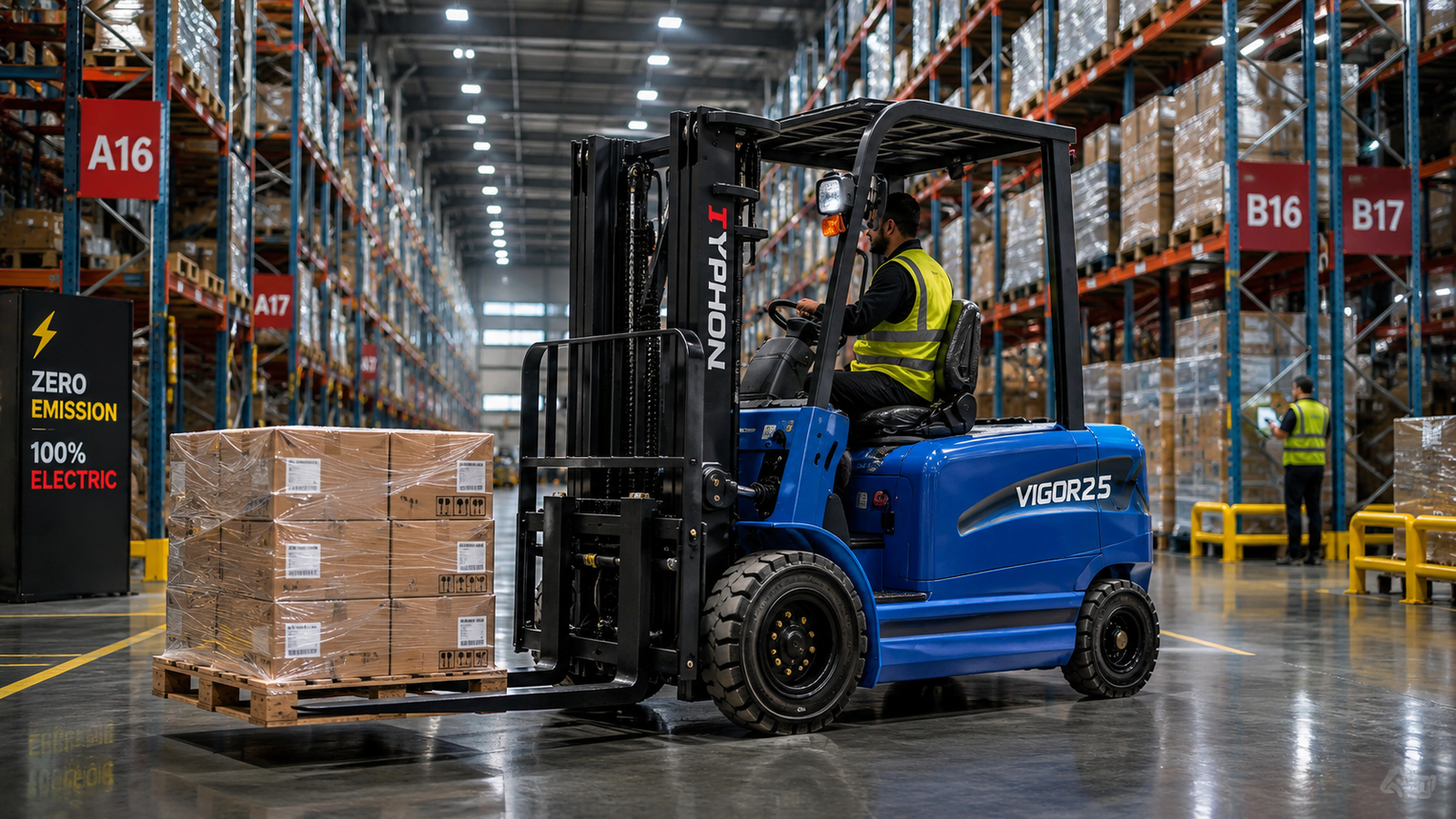
Electric equipment completely eliminates this dangerous atmospheric threat. Because they utilize advanced battery technology, electric machines produce absolutely zero tailpipe emissions, making them the ultimate solution for extensive indoor forklift use. Facility managers immediately eliminate the need to aggressively cycle their indoor air, drastically reducing their daily HVAC energy consumption. This clean operational profile builds an incredibly safe, highly comfortable work environment that naturally elevates employee focus and daily throughput.
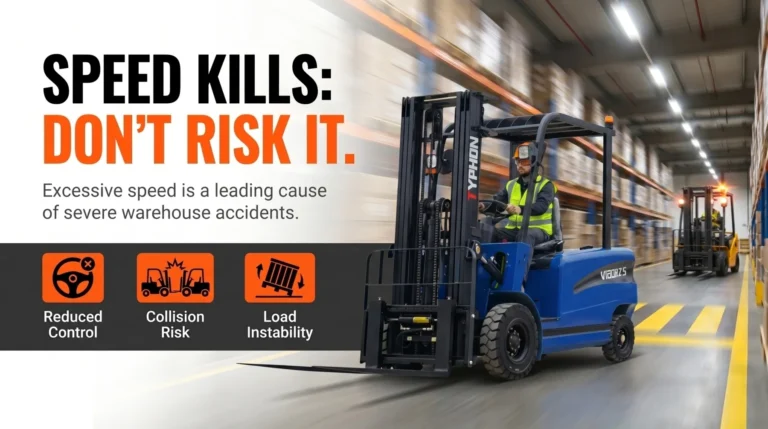
Beyond air quality, the elimination of engine combustion completely eradicates the heavy mechanical vibration and deafening noise associated with traditional machines. A quieter environment allows floor staff and operators to communicate clearly without screaming over engine roar, massively reducing the risk of workplace accidents. This transition toward safe, silent operation makes electric machinery an absolute necessity for high-traffic distribution hubs.
Warehousing and Retail Distribution Centers
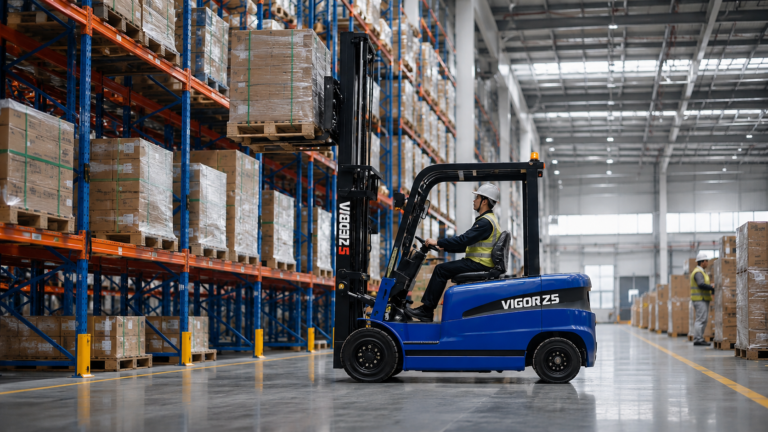
The modern retail supply chain demands relentless speed, absolute precision, and high-density inventory storage. To maximize expensive commercial real estate, warehouse designers constantly build taller storage racks and significantly narrower operating aisles. These deeply restricted physical environments require material handling equipment that boasts exceptional maneuverability and a perfectly compact footprint.
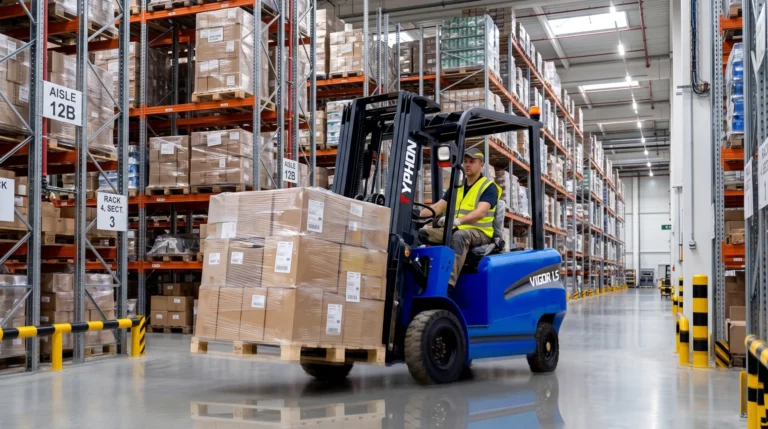
Warehousing and retail distribution represent some of the most prominent electric forklift applications in the global market. Electric machines feature drastically smaller chassis designs because they do not require bulky fuel tanks or massive cooling radiators. This compact engineering, combined with the machine’s incredibly tight turning radius, empowers operators to navigate narrow aisles safely and confidently. They can maneuver heavy pallets of retail goods with total precision, completely avoiding catastrophic rack collisions and inventory damage.
Furthermore, these high-volume facilities benefit massively from the inherent energy efficiency of electric drive systems. Operators can seamlessly run through extended shifts with smooth, predictable power delivery. The dramatic reduction in daily maintenance requirements ensures that distribution centers experience minimal equipment downtime, keeping the supply chain moving fiercely and reliably to meet strict customer demands.
Food and Beverage Processing Facilities
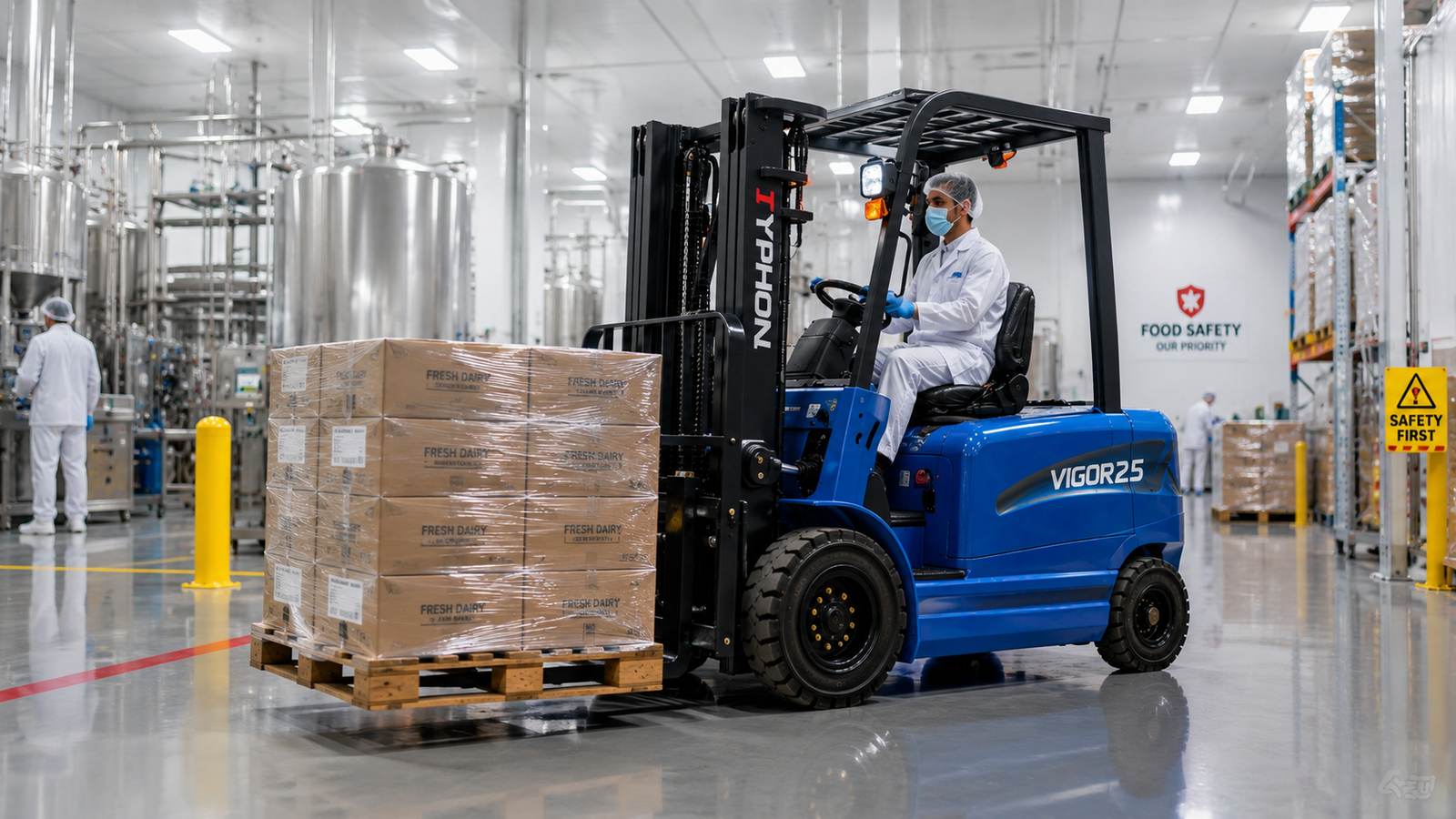
The food and beverage industry operates under the most intense regulatory scrutiny in the global commercial market. Maintaining absolute sanitation is not just an operational goal; it is a strict legal requirement enforced by relentless municipal and federal inspections. Introducing a traditional propane or diesel machine into a food processing environment introduces a catastrophic risk of inventory contamination from oily exhaust fumes and settling soot.
Electric forklifts are explicitly engineered to support the flawless hygiene standards required by food handlers. Because they emit no fumes, there is absolutely no risk of toxic residue settling on fresh produce, packaged goods, or sanitary processing equipment. The best industries for electric forklifts heavily include agriculture and beverage distribution specifically because these clean machines protect the integrity of the consumable product from the moment it leaves the processing line until it reaches the delivery truck.
Additionally, electric machines eliminate the need to store highly flammable liquid fuels or pressurized propane tanks near sensitive food products. Facility managers can establish clean, dedicated charging stations far away from the active processing floor. This clean operational separation provides peace of mind and builds unwavering consumer trust in the safety of your agricultural products.
Pharmaceuticals and Clean Manufacturing
Much like the food sector, the pharmaceutical industry requires microscopic levels of environmental control to protect its highly sensitive inventory. Medical manufacturing facilities and chemical cleanrooms utilize specialized air filtration systems designed to eliminate nearly all airborne particulates. Even the slightest introduction of mechanical dust or chemical exhaust can instantly ruin millions of dollars of critical medical supplies.
Pharmaceuticals stand as one of the premier electric forklift applications due to the absolute purity of the machine’s operation. Advanced electric equipment can be specifically modified with non-marking tires and sealed electrical components to prevent the shedding of any physical debris onto the cleanroom floor. These pristine machines glide silently through the facility, providing the massive lifting power required to move heavy chemical totes without compromising the sterile environment.
The precise, hydraulic-by-wire controls found in modern electric units also provide the delicate handling required for medical logistics. Operators can confidently lift and transport fragile glass vials and sensitive laboratory equipment without the aggressive, jerky movements often associated with combustion engines. This seamless operation guarantees that vital medical inventory reaches its destination perfectly intact.
Cold Storage and Refrigerated Logistics
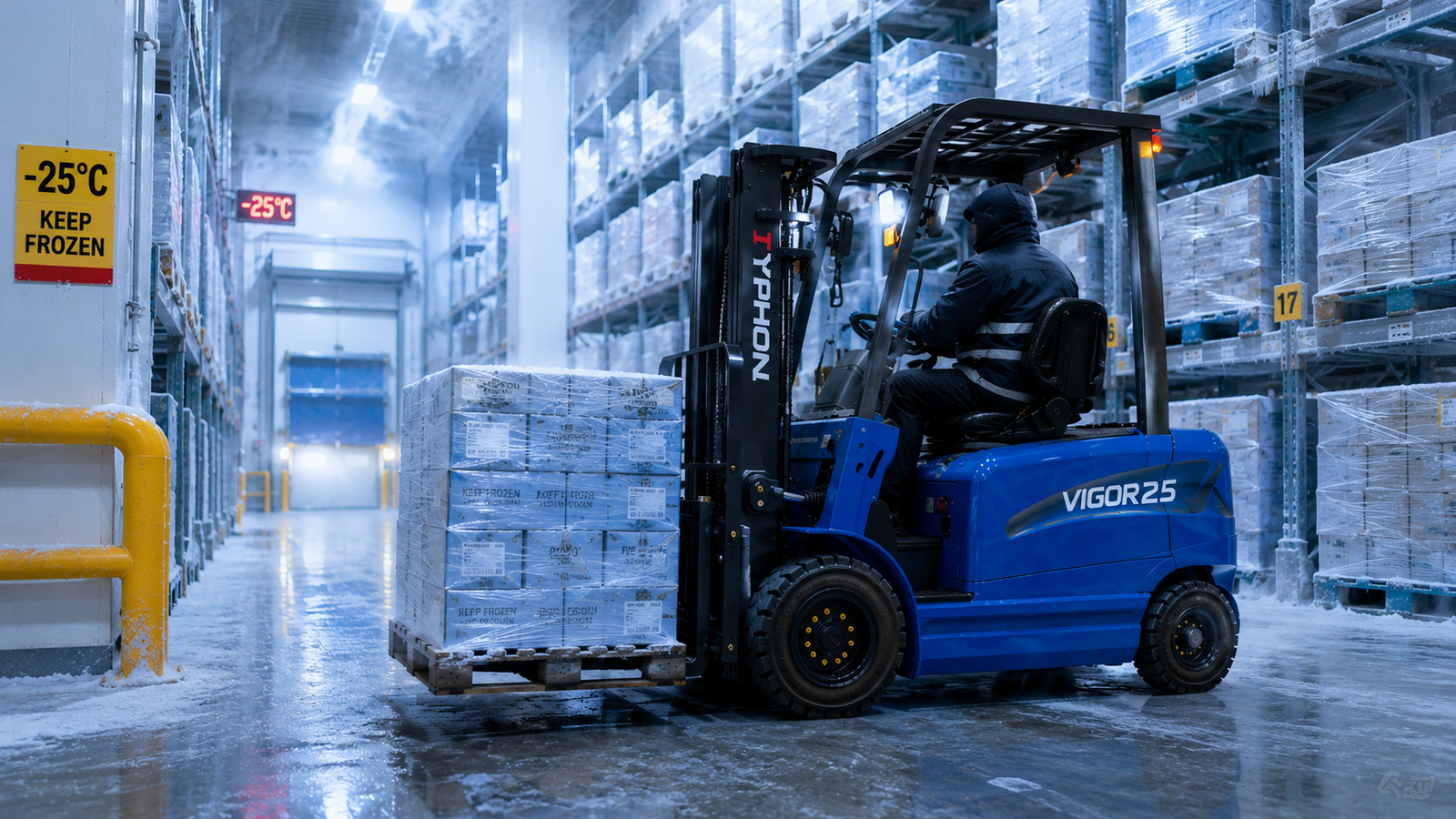
Managing inventory in a deep-freeze cold storage facility presents incredibly unique thermodynamic challenges. Refrigerated logistics centers spend a fortune generating and maintaining freezing temperatures to preserve perishable goods. Traditional combustion engines naturally generate massive amounts of ambient heat during operation. Driving a hot engine into a deep-freeze environment forces the facility’s refrigeration systems to work exponentially harder to counter the mechanical heat.
Electric forklifts provide a massive operational advantage in cold storage because they run exceptionally cool. Without a burning engine block radiating heat into the aisles, your expensive industrial freezers consume far less electricity to maintain their target temperatures. Historically, extreme cold negatively impacted battery life, but modern technological advancements have completely neutralized this limitation.
Today, cold-storage operations heavily utilize advanced lithium-ion batteries and thermally conditioned electric forklifts designed specifically to thrive in freezing environments. These machines maintain their high-voltage output and structural integrity regardless of the temperature drop. Investing in this specialized electric equipment allows frozen food distributors to drastically lower their total cost of ownership while protecting their highly valuable frozen inventory.
Expanding Horizons with Advanced Battery Technology
The primary hesitation equipment buyers traditionally faced regarding electric machinery was the fear of limited operational range and long charging times. However, the last decade has seen a total revolution in industrial energy storage. Modern battery technology and advanced charging infrastructure have massively expanded the range of use cases for electric equipment across heavy manufacturing and multi-shift operations.
The widespread adoption of lithium-ion batteries allows logistics operators to utilize “opportunity charging” during standard employee breaks. Instead of taking a machine completely out of service for an eight-hour battery swap, an operator can simply plug the forklift in for thirty minutes to quickly replenish its power. This rapid charging capability ensures that a single electric forklift can seamlessly service a demanding, three-shift manufacturing facility without ever running out of energy.
These massive technological leaps prove exactly why these machines are becoming a preferred choice in modern material handling. Facility managers no longer have to sacrifice raw lifting power or shift longevity to achieve zero-emission operations. You can confidently deploy electric machines into nearly any indoor industrial application, knowing they possess the robust endurance required to dominate the workload.
Securing Your Material Handling Future
The heavy machinery deployed within your facility directly dictates the safety, speed, and long-term profitability of your entire logistics operation. Attempting to tackle modern warehousing challenges while relying on outdated, high-emission equipment guarantees frustrated crews and evaporating profit margins. True industry professionals respect the science of a healthy work environment and invest strategically in the technology required to maximize their total operational potential.
Understanding the electric forklift benefits across these diverse industries empowers you to make highly strategic purchasing decisions. These clean, quiet machines drastically lower your daily operating overhead through massive maintenance savings and improved energy efficiency. Take a highly critical look at your current fleet today and honestly evaluate the hidden costs of indoor emissions. Embrace the incredible value of electric power, demand a safer operating environment, and build a deeply reliable, hyper-efficient logistics enterprise that secures your market dominance for decades to come.