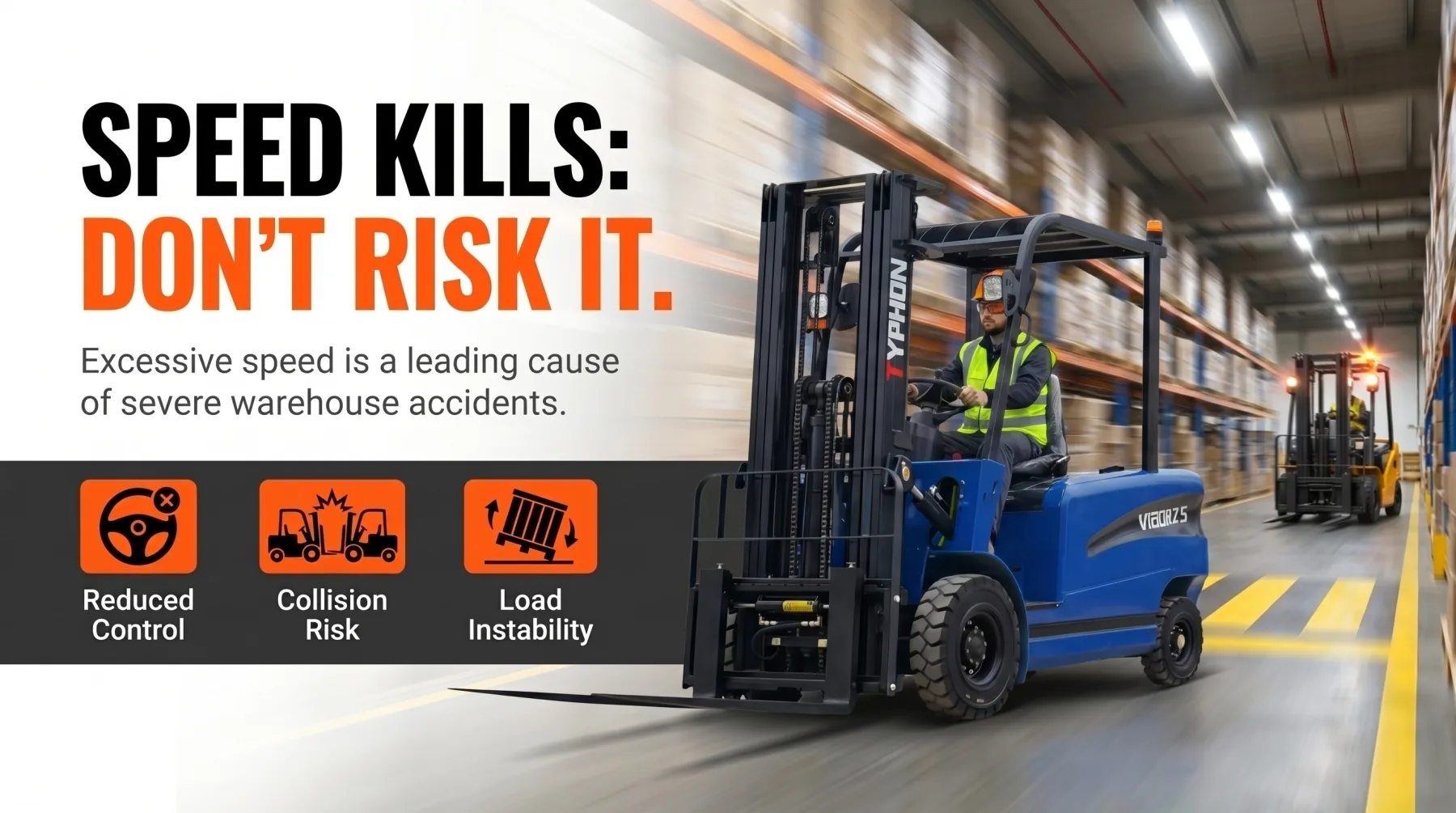
Forklifts keep your warehouse moving, but speed is one of the most underestimated dangers on the floor. It rarely looks reckless at the moment. An operator shaves a few seconds off a trip, takes a corner a little faster, or pushes the throttle to hit a quota. Those small choices add up, and they put people, products, and equipment at real risk. Speeding reduces control, multiplies the chance of collisions, damages goods, and quietly undermines the productivity it was supposed to improve. The good news is that this is a manageable problem. With the right awareness, training, and controls, you can keep your team fast and safe at the same time. This guide breaks down exactly why forklift speeding is so dangerous and what you can do to stop it before it leads to an injury, a costly repair, or a stalled operation.
Reduced Operator Control and Stability
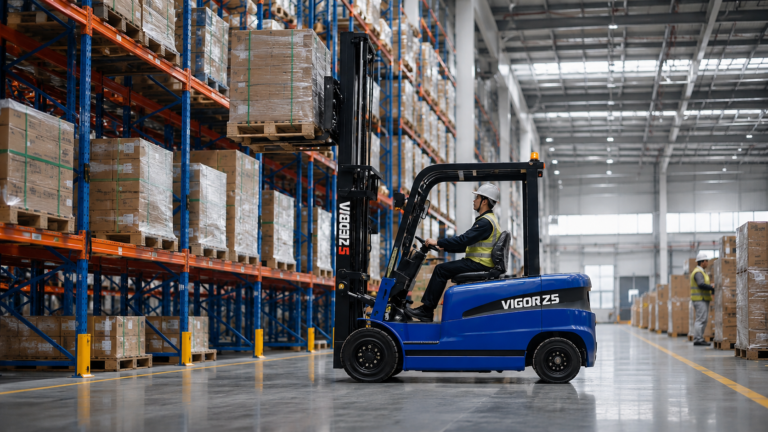
Forklifts handle nothing like cars, and speed exposes that difference fast. These machines carry heavy loads high off the ground, which raises their center of gravity and makes them prone to tipping. When an operator moves too quickly, the physics work against them. A sudden turn, an uneven floor, or a quick stop can shift the load just enough to put the machine off balance. At higher speeds, the forces involved grow stronger, and the margin for safe correction shrinks to almost nothing.
Control suffers in other ways too. Forklifts steer from the rear wheels, which makes the back end swing wide during turns. At speed, that swing becomes harder to predict and harder to manage, especially in tight aisles. Stopping distance also grows as speed climbs, so an operator who needs to react to a pedestrian or an obstacle simply runs out of room. A machine that felt stable at a walking pace can become unpredictable the moment the operator pushes it faster than conditions allow.
The combination of a high center of gravity, rear-wheel steering, and longer stopping distances means stability depends heavily on controlled speed. When operators slow down, they give themselves the time and traction needed to keep the load steady and the machine planted. When they speed up, they trade that stability for seconds they rarely get back, and they put themselves in a position where a small mistake turns into a tip-over or a loss of control.
Increased Risk of Collisions
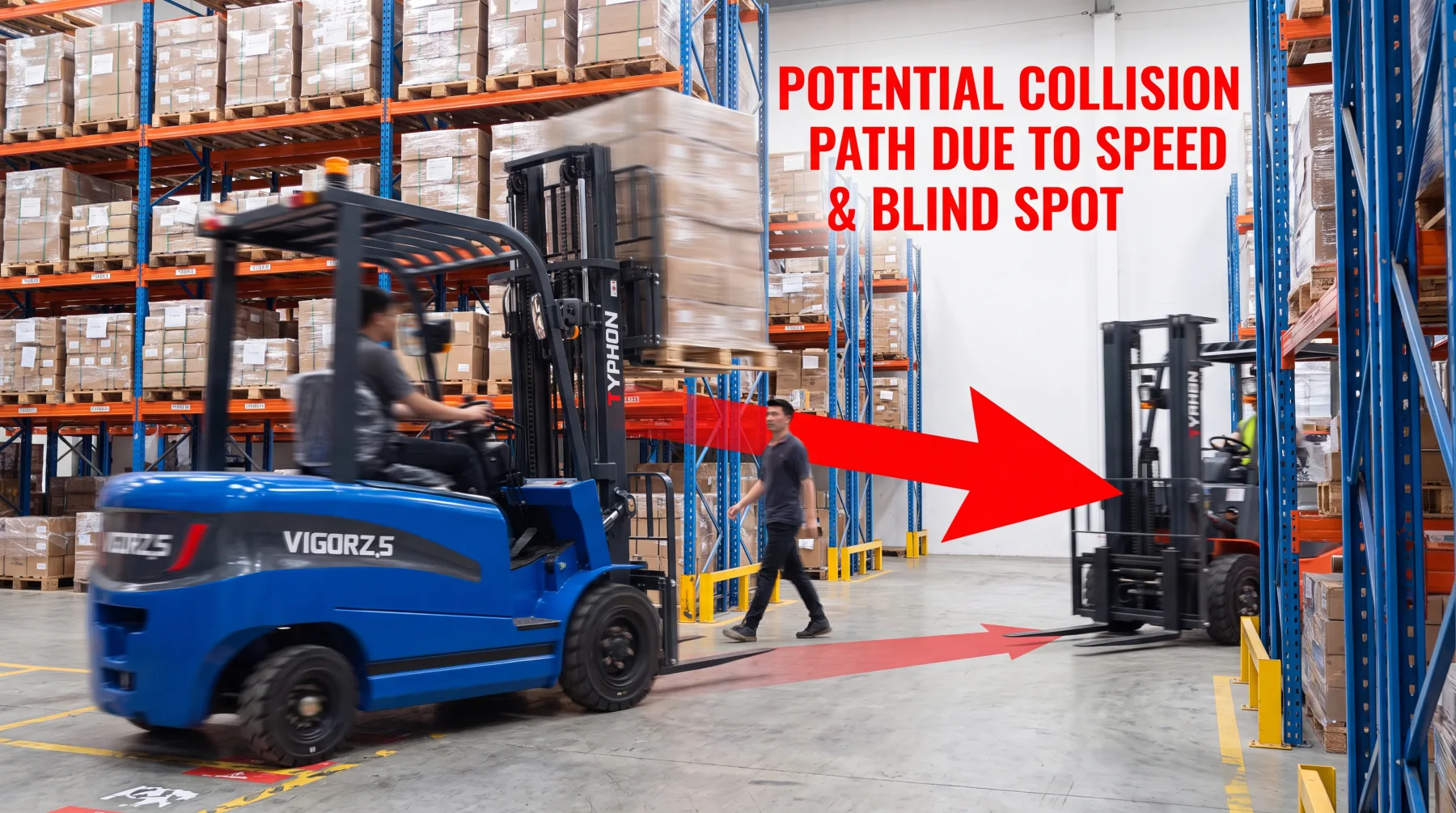
Warehouses are busy, shared spaces where forklifts, pedestrians, racking, and other equipment all operate close together. Speed is what turns that crowded environment into a collision waiting to happen. The faster a forklift travels, the less time the operator has to spot a hazard and respond. A worker stepping out from behind a rack, another machine entering an intersection, or a dropped item in the path all demand quick reactions, and speed steals the precious moments needed to react safely.
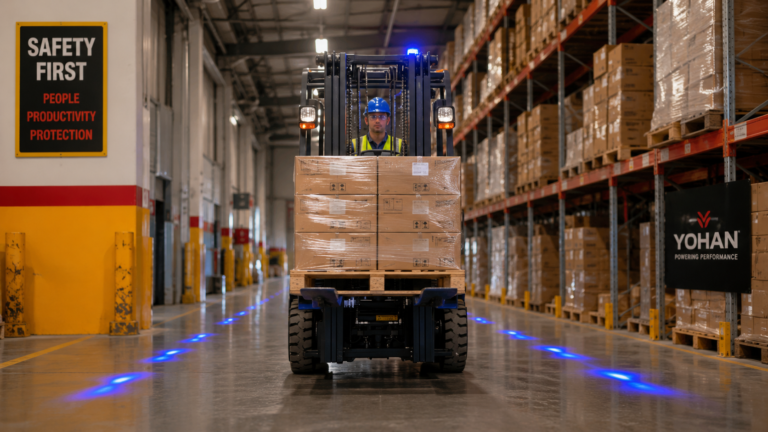
Blind corners and intersections deserve special attention, because these are the points where speeding causes the most serious incidents. An operator moving too fast cannot stop in time when something appears suddenly, and the results can be devastating when a pedestrian is involved. Forklift collisions with workers are among the most dangerous events in any warehouse, and excessive speed is a frequent contributing factor. Reduced visibility from a raised or bulky load only compounds the danger, since the operator may not see the hazard until it is too late.
The risk extends beyond people to property and other equipment. Several common factors make speed-related collisions more likely:
Limited reaction time that prevents stopping before impact
Blind spots created by tall loads and tight aisle layouts
Congested intersections where paths cross without clear sightlines
Reduced traction on smooth or slick floors at higher speeds
When operators keep their speed in check, they preserve the reaction time and stopping distance that prevent these collisions. Controlled movement gives everyone on the floor the chance to see, be seen, and stay clear of harm.
Greater Damage to Goods and Equipment
Speed does not just threaten people; it takes a steady toll on your inventory and your machines. When a forklift moves too fast, the loads it carries are far more likely to shift, slide, or topple. Quick acceleration, hard braking, and sharp turns all transfer force to the load, and pallets that would sit securely at a controlled pace can come loose when the operator rushes. The result is damaged products, broken packaging, and inventory you can no longer sell, all of which cut directly into your bottom line.
The machines themselves suffer as well. Forklifts driven hard and fast experience accelerated wear on tires, brakes, steering components, and the mast. Frequent hard stops strain the braking system, while high-speed turns wear tires unevenly and stress the drivetrain. Collisions with racking, walls, and dock equipment add another layer of cost, since even a low-speed bump at the wrong angle can bend forks, crack components, or knock a rack out of alignment. Damaged racking is especially serious, because a compromised storage system can fail and bring down everything stored on it.
These costs often hide in plain sight, showing up as rising repair bills, shrinking inventory counts, and shortened equipment life rather than a single dramatic event. That makes them easy to overlook until they add up to a significant drain on the operation. When you slow your forklifts to a controlled pace, you protect the loads they carry, extend the working life of your machines, and avoid the steady erosion of profit that speeding quietly causes throughout the warehouse.
Lower Productivity Despite Higher Speeds
Many operators speed because they believe it gets the job done faster, but the reality usually works the other way around. The time saved by rushing between points is small, often just a few seconds per trip, and those seconds rarely translate into meaningful gains across a shift. Worse, speeding introduces problems that cost far more time than it ever saves. A single dropped load, minor collision, or near-miss that forces a work stoppage erases hours of supposed efficiency in an instant.
Consider what actually happens when speed leads to trouble. Cleaning up spilled or damaged goods takes time and labor. Repairing a damaged rack or machine pulls equipment out of service and disrupts the workflow. An injury triggers investigations, paperwork, and the loss of a skilled worker, sometimes for weeks. Each of these consequences carries a heavy productivity cost that dwarfs the marginal time saved by moving quickly. The math simply does not favor speeding, even on the busiest days when the pressure to keep up feels strongest.
Controlled, steady operation delivers more reliable output because it keeps work flowing without interruption. Operators who move at a safe, consistent pace handle loads smoothly, avoid the accidents that stop production, and maintain a rhythm that the whole team can depend on. They also reduce the rework that comes from damaged goods and the downtime that comes from damaged equipment. True productivity comes from steady, uninterrupted progress, not from bursts of speed that risk bringing everything to a halt. When you frame safe operation as the faster path overall, you help operators see that slowing down is the smarter way to get more done.
Best Practices for Preventing Forklift Speeding
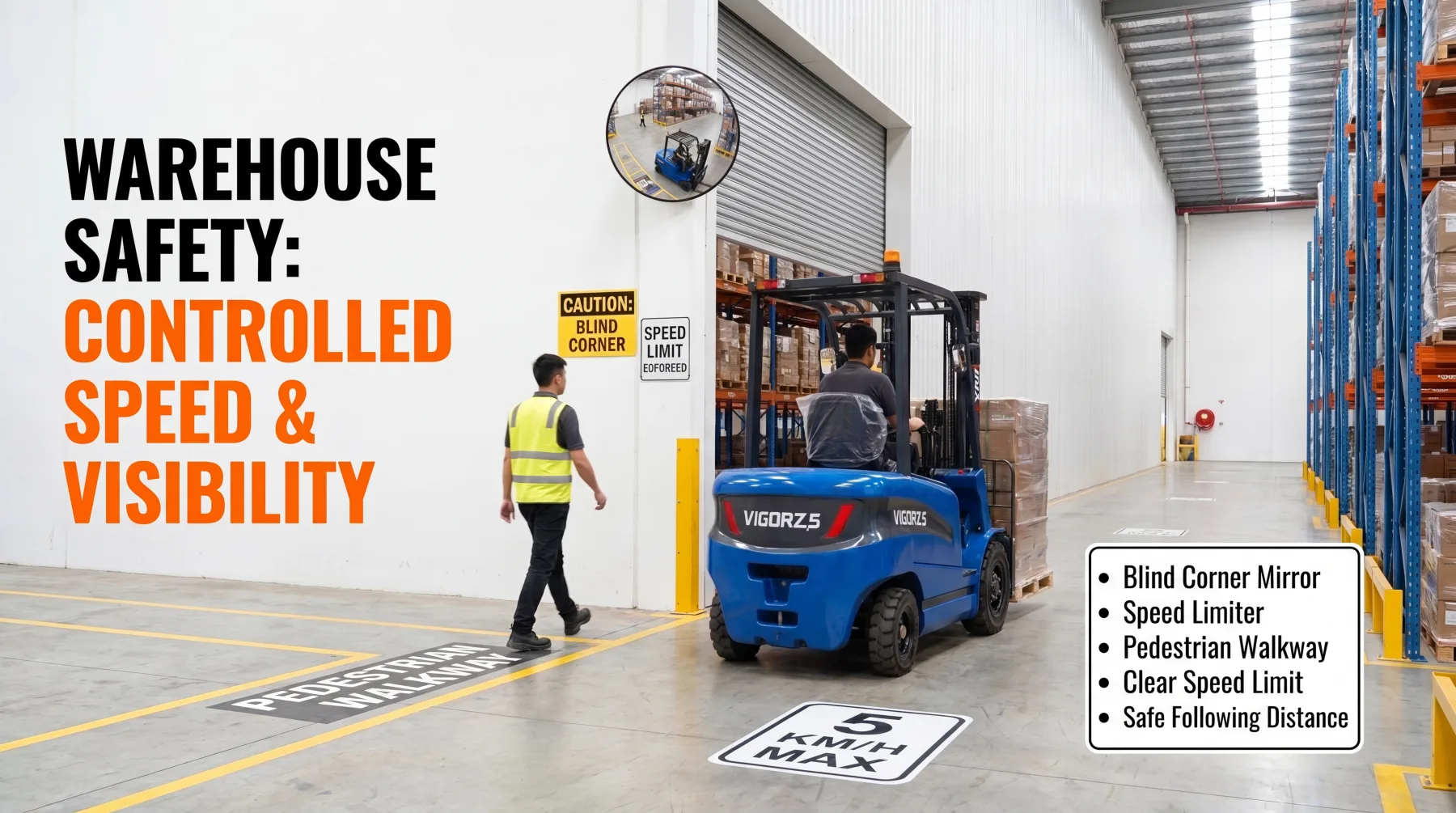
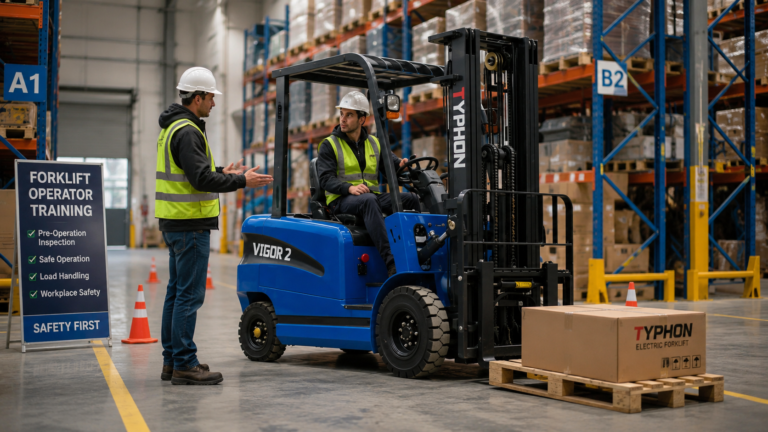
Preventing forklift speeding starts with clear expectations and the training to back them up. Operators need to understand not just the speed limits in your facility but the reasons behind them, because rules that come with understanding earn far better compliance. Comprehensive training should cover the physics of stability, the dangers of reduced reaction time, and the real costs of speed-related incidents. Setting and posting clear speed limits throughout the warehouse, especially in high-traffic zones, gives operators concrete guidance they can follow every day.
Technology and facility design offer powerful support for safer operation. Many modern forklifts can be fitted with speed-limiting devices that cap travel speed, removing the temptation to push too fast. Telematics systems track operator behavior and flag speeding, giving you the data needed to coach individuals and reward safe habits. Thoughtful warehouse layout also reduces the pressure and opportunity to speed. A combination of measures works best:
Speed limiters that electronically cap forklift travel speed
Telematics and monitoring that track and report unsafe driving
Clear floor markings separating pedestrian and forklift traffic
Convex mirrors and signage at blind corners and intersections
Well-planned aisle widths that allow safe maneuvering
Just as important is the culture you build around safety. When supervisors model safe behavior, enforce limits consistently, and recognize operators who follow the rules, safe speed becomes the norm rather than the exception. Regular refresher training keeps good habits sharp, and open communication encourages operators to report hazards before they cause harm. By combining clear rules, supportive technology, smart facility design, and a genuine safety culture, you create an environment where speeding fades away and steady, controlled operation takes its place.
Conclusion
Forklift speeding may look like a shortcut, but it puts your people, products, and equipment at serious risk while delivering almost none of the speed it promises. Excessive speed reduces operator control and stability, shrinks the reaction time needed to avoid collisions, drives up damage to goods and machines, and ultimately lowers productivity through the accidents and downtime it causes. Each of these risks compounds the others, and together they make speeding one of the most costly habits in any warehouse operation. The encouraging truth is that this danger is entirely preventable. With clear speed limits, thorough training, supportive technology, smart facility design, and a strong safety culture, you can keep your team moving efficiently without the risks that speeding brings. Start by reviewing your current speed policies and identifying where operators feel pressure to rush. Address those points first, reinforce safe habits consistently, and you will build a warehouse that runs faster precisely because it runs safely.