Electric Forklift Maintenance Tips for Long-Term Performance
Investing in a fleet of battery-powered material handling equipment represents a significant commitment to your facility’s operational efficiency and environmental standards. Many logistics leaders make this transition specifically because electric machines eliminate the intense upkeep associated with internal combustion engines. While it is entirely true that battery-powered equipment requires no oil changes, spark plug replacements, or exhaust repairs, assuming these machines are entirely maintenance-free is a dangerous operational oversight. The absolute reliability of your supply chain depends entirely on the mechanical health of the machinery moving your inventory.
Protecting your massive capital investment requires a structured, deeply disciplined approach to equipment care. This comprehensive guide delivers expert electric forklift maintenance tips designed to help you maximize your operational uptime and secure long-term value. By exploring the critical necessities of electric forklift battery care, hydraulic system preservation, software diagnostics, and operator reporting, you will discover exactly how to maintain an electric forklift for peak performance. Implementing these proactive strategies directly reduces your repair costs, extends the lifespan of your heavy machinery, and guarantees that your logistics center operates with uncompromising reliability.
The Myth of the Maintenance-Free Machine
The heavy equipment industry has aggressively championed the transition toward advanced battery power, frequently highlighting the massive reduction in routine mechanical repairs. Because an electric drive system contains only a fraction of the moving components found in a traditional propane or diesel engine, the baseline maintenance requirements are drastically lower. However, this mechanical simplicity often lulls warehouse managers into a false sense of security regarding their fleet management. Ignoring routine inspections simply because the machine lacks a combustion engine inevitably leads to catastrophic, unexpected breakdowns on the warehouse floor.
Proactive forklift preventative maintenance remains the ultimate safeguard for your operational productivity. An electric forklift is a highly sophisticated piece of industrial machinery, combining immense hydraulic lifting power with sensitive electronic control modules. When these interconnected systems are neglected, minor wear and tear rapidly escalates into severe mechanical failure. A failing hydraulic seal or a frayed electrical cable can instantly take a vital machine out of service, halting your outbound shipments and severely damaging your customer satisfaction metrics.
Understanding the profound value of consistent upkeep completely transforms your approach to fleet management. When you implement a strict maintenance schedule, you actively protect the machine’s energy efficiency, ensuring it can complete grueling ten-hour shifts without requiring premature charging. You secure the structural integrity of the equipment, protect the physical safety of your operators, and ensure your logistics hub remains fiercely competitive.
Mastering Electric Forklift Battery Care
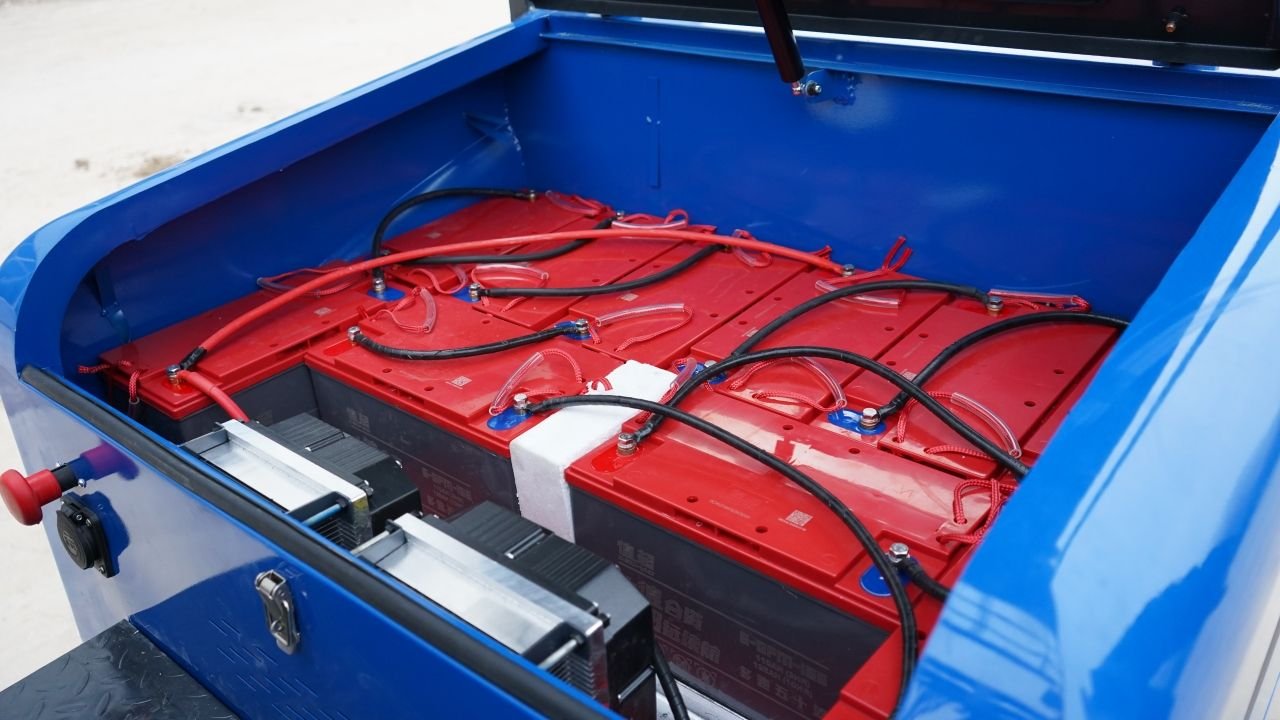
The industrial battery serves as the beating heart of your heavy equipment, dictating the raw power, speed, and endurance of the entire machine. Consequently, mastering electric forklift battery care is the most critical component of your daily operational routine. If your facility utilizes traditional lead-acid batteries, your maintenance crew must strictly monitor the internal water levels. Allowing the electrolyte levels to drop exposes the internal lead plates to oxygen, causing permanent, irreversible damage to the battery’s energy capacity. Watering the battery only after a full charge cycle ensures the fluid expands safely without boiling over and causing dangerous acid spills.
For operations utilizing advanced lithium-ion technology, the maintenance focus shifts heavily toward managing operational charging habits. While lithium-ion batteries thrive on short opportunity charges during operator breaks, leaving them plugged in continuously over long weekends without proper voltage regulation can degrade their total lifespan. Regardless of the specific battery chemistry your fleet uses, establishing a disciplined, consistent charging protocol is absolutely mandatory for preserving long-term electrical performance.
Beyond internal chemistry, the physical connection points require intense daily scrutiny. Your operators must aggressively inspect the heavy electrical cables, connectors, and contact points for any signs of fraying, cracking, or heat damage. A loose or damaged connector creates severe electrical resistance, forcing the battery to work exponentially harder to deliver power. This resistance leads to massive energy loss, dangerous overheating, and the potential for a catastrophic electrical fire inside your facility.
Monitoring Tire Wear and Brake Performance
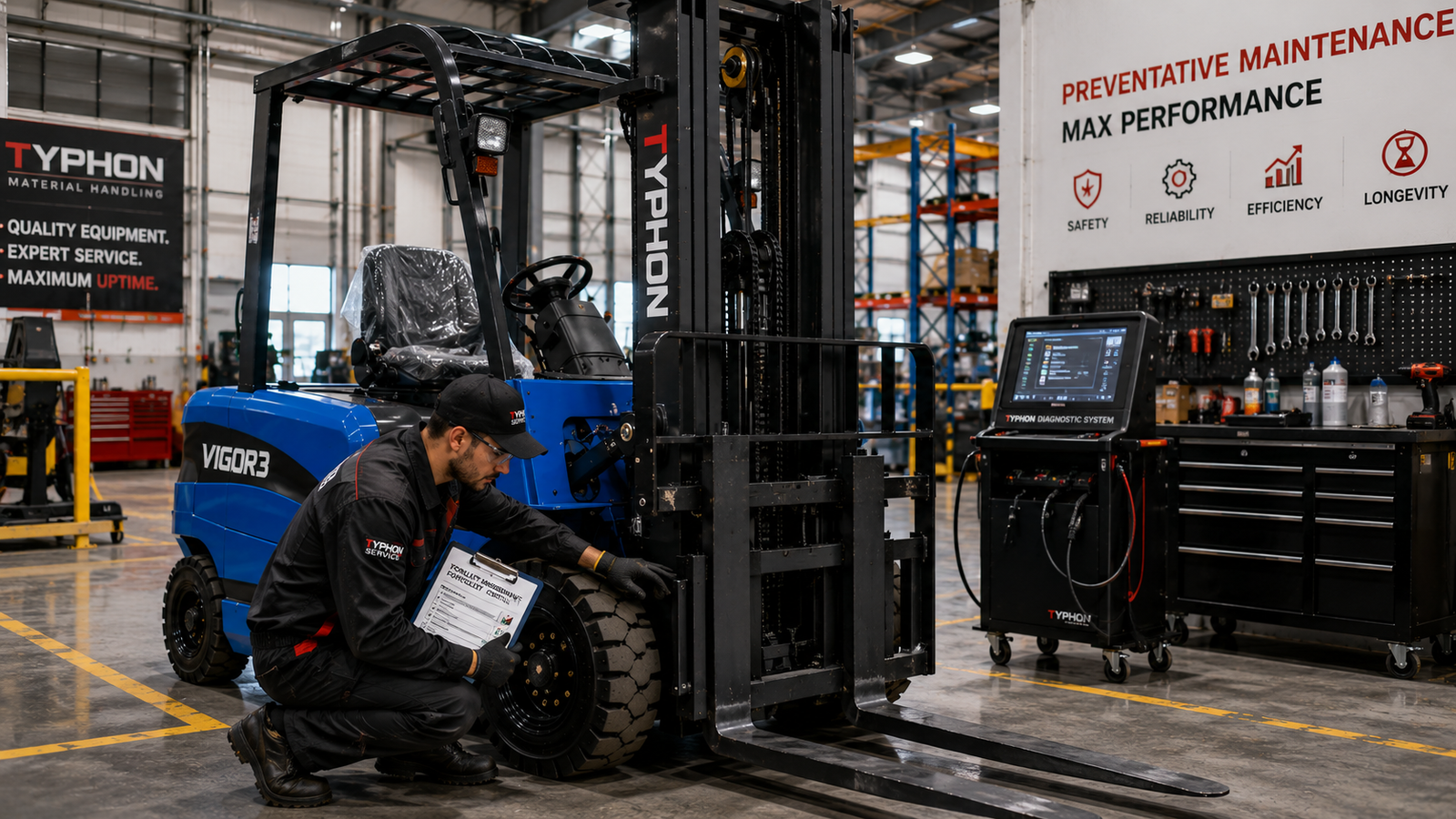
The physical connection between your heavy machinery and the concrete warehouse floor directly impacts every aspect of the equipment’s performance. Electric forklifts are exceptionally heavy machines, utilizing the massive weight of their industrial batteries as a necessary counterbalance for lifting heavy pallets. This incredible gravitational weight rests entirely on the machine’s tires. When tires wear down unevenly or lose their necessary tread profile, the machine suffers a severe loss of traction, creating a massive safety hazard when navigating tight aisles or steep loading ramps.
Worn tires also act as a silent, aggressive drain on your machine’s daily energy efficiency. When a tire loses its structural integrity, the electric drive motor must consume significantly more battery power to physically push the machine across the facility. Furthermore, a degrading tire profile physically lowers the clearance of the forklift, completely changing the geometric stability of the towering steel mast during high-capacity lifts. Replacing worn tires precisely at the manufacturer’s recommended wear line protects your battery life and secures the physical balance of your inventory.
Equally important to forward momentum is the machine’s ability to safely halt that massive kinetic energy. Modern electric machines rely heavily on regenerative braking, utilizing the drive motor to slow the machine while simultaneously feeding kinetic energy back into the battery. However, the physical mechanical brakes remain absolutely essential for emergency stops and secure parking. Routine inspections must verify the integrity of the brake shoes, hydraulic brake lines, and the tension of the parking brake lever to guarantee uncompromising operator control.
Protecting Hydraulic Components and Mast Operation
While the electric motors handle the horizontal travel of the machine, the immense vertical lifting power relies entirely on a complex, high-pressure hydraulic system. The towering steel mast and the lifting carriage endure extreme physical stress every single time an operator raises a massive commercial payload. Maintaining this vital lifting architecture requires strict attention to the machine’s hydraulic fluid levels. Operating a forklift with degraded or insufficient hydraulic oil introduces massive friction into the lifting cylinders, leading to agonizingly slow lift speeds and total pump failure.
Your maintenance personnel must conduct rigorous visual inspections of the heavy hydraulic hoses, searching for microscopic weeping or fluid leaks at the connection joints. A pressurized hydraulic leak not only destroys the lifting capacity of the machine but also creates a severely dangerous slip hazard on your warehouse floor. Catching and replacing a compromised hose before it ruptures saves your company thousands of dollars in emergency repair bills and extensive facility cleanup costs.
The physical mechanics of the mast itself demand equally strict lubrication protocols. The heavy steel chains that physically hoist the carriage must be properly tensioned and heavily lubricated to prevent the metal links from binding or snapping under tension. Keeping the mast channels perfectly clean and greased ensures the carriage glides smoothly upward, completely eliminating the violent, jerky movements that can easily topple sensitive inventory from high storage racks.
Leveraging Software Diagnostics and Routine Cleaning
Modern electric forklifts are essentially highly advanced computers rolling on solid industrial tires. The onboard control modules dictate exactly how power is distributed, how the hydraulics respond to the joystick, and how the safety sensors monitor the surrounding environment. Just like any sophisticated computer network, your material handling equipment requires routine software maintenance. Partnering with certified technicians to install the latest firmware updates ensures your machine operates with the most advanced efficiency algorithms and vital safety parameters available.
These digital control modules are highly sensitive to their physical environment. Enclosed warehousing facilities naturally generate massive amounts of microscopic dust, pulverized cardboard, and airborne debris. If this industrial debris is allowed to accumulate over the machine’s cooling fans and electronic circuit boards, it acts as a thick, thermal blanket. This trapped heat forces the electrical components to operate at dangerous temperatures, eventually triggering an automated safety shutdown or melting the delicate internal wiring.
Establishing a rigorous routine cleaning schedule is a deeply practical method for securing long-term reliability. Your crews should regularly use compressed air to gently blow accumulated dust out of the motor compartments, battery housing, and radiator fins. Keeping the machine perfectly clean not only prevents catastrophic thermal failures but also empowers your technicians to easily spot minor fluid leaks or structural cracks that would otherwise remain hidden beneath a thick layer of industrial grime.
The Role of Operator Reporting and Scheduled Service
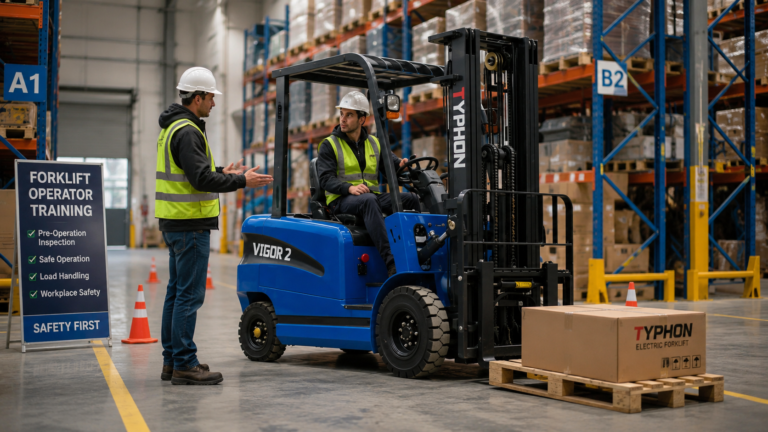
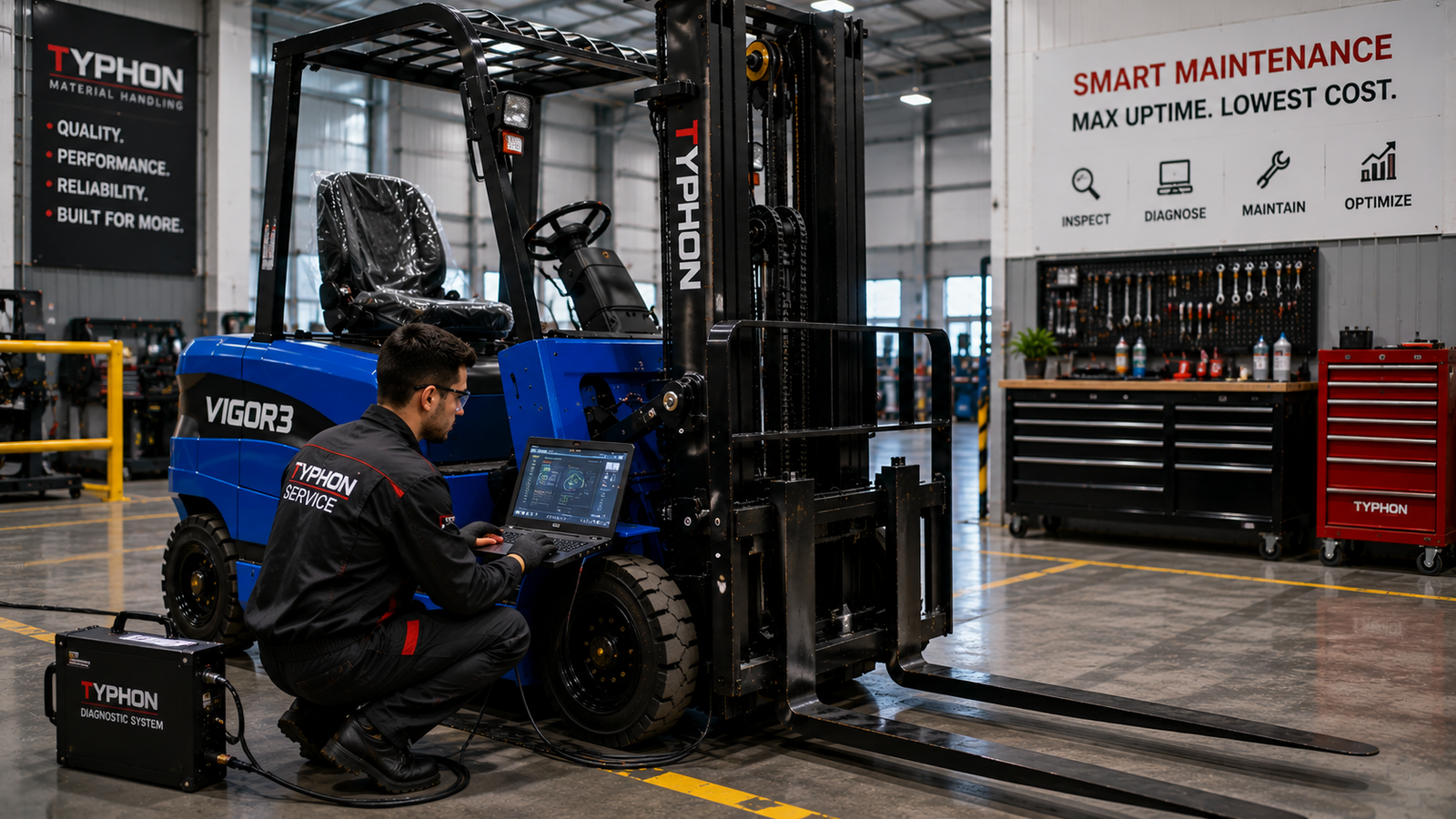
The most advanced maintenance strategy in the world remains completely useless if the individuals driving the machines fail to participate in the process. Your forklift operators serve as the absolute first line of defense against mechanical failure. They understand the specific sounds, operational feel, and handling characteristics of their assigned machines better than anyone else in the facility. Implementing a strict, mandatory pre-shift inspection checklist empowers your team to identify and report minor mechanical anomalies long before they escalate into dangerous failures.
When an operator reports a sluggish steering response, an unusual grinding noise in the mast, or a rapidly draining battery, management must take immediate, decisive action. Removing a compromised machine from the active floor for a quick diagnostic check demonstrates a profound commitment to workplace safety. It proves to your workforce that you value their physical well-being and operational feedback far more than a temporary dip in daily throughput.
This internal vigilance must be supported by strict, scheduled service intervals executed by professional, certified technicians. While your internal crew can manage daily inspections and basic cleaning, advanced diagnostics and heavy mechanical adjustments require elite expertise. Committing to a comprehensive planned maintenance agreement with a trusted equipment provider guarantees that every hidden bearing, software code, and high-voltage circuit is professionally evaluated.
Securing Uncompromising Operational Value
The heavy machinery deployed within your distribution center represents the physical foundation of your corporate success. Attempting to meet the rigorous, high-speed demands of the modern supply chain while ignoring the fundamental health of your equipment is a strategy that guarantees eventual operational failure. True logistics professionals respect the complex engineering behind their machines and invest strategically in the disciplines required to maximize their total potential.
Understanding how to maintain an electric forklift empowers you to make highly strategic decisions regarding your daily operations. By mastering battery care, prioritizing routine inspections, and empowering your operators to report mechanical issues, you drastically lower your daily operating overhead. Embrace the profound value of proactive maintenance, partner with a fiercely reliable equipment provider, and build a highly sustainable, flawlessly efficient logistics enterprise that will dominate your market for decades to come.