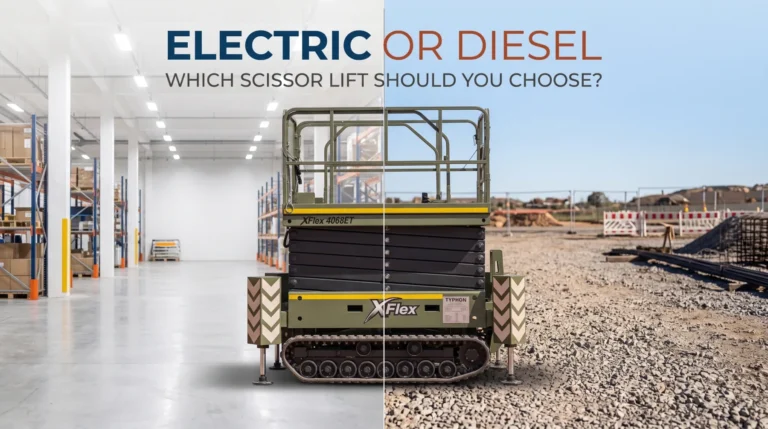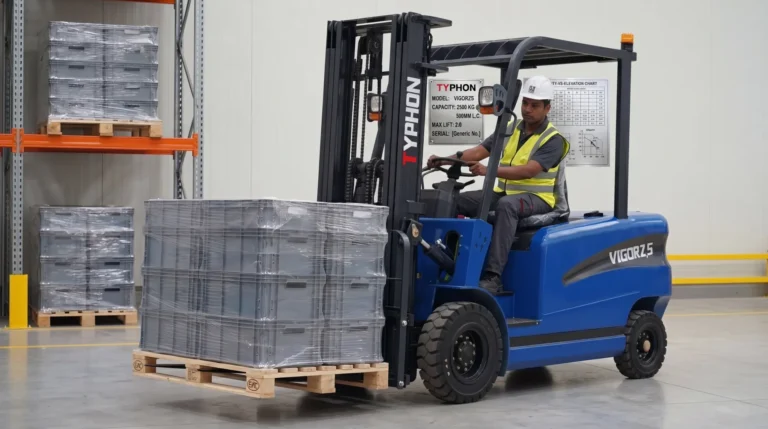
A warehouse manager runs the numbers on two forklifts side by side. The diesel model costs a few thousand dollars less up front, so she signs the purchase order and feels good about the savings. Then the bills start arriving. Fuel runs three times what she expected, the machine needs oil changes and filter swaps every few hundred hours, and a mid-shift breakdown for a fouled injector costs a full day of stalled loading. Two years in, the “cheaper” machine has quietly outspent the electric one she passed on. The sticker price was lower. The total cost was not. That trap catches buyers across every equipment category, from forklifts and scissor lifts to compact machines. Electric and diesel each look like the smart buy depending on which number you stare at, and the wrong number leads to years of overspending. The truth is that saving money comes down to total cost of ownership, not purchase price. This post breaks down where the real money lives: the upfront price gap, the fuel and energy costs that stack up daily, the maintenance and downtime that quietly drain budgets, and the total-cost math that tells you which power source actually wins for your work.
Where the Upfront Price Really Differs
The first number every buyer sees is the purchase price, and it usually favors diesel. But that headline figure hides real costs and credits on both sides. Understanding the true entry cost keeps you from anchoring on a number that misleads.
The Sticker Price Gap
Diesel machines typically carry a lower purchase price than comparable electric models. The engine and drivetrain technology is mature and cheap to build, so a diesel forklift, scissor lift, or compact machine often costs noticeably less at the counter. Electric machines cost more up front largely because of the battery. That battery pack is the single most expensive component, and it drives the price gap that makes diesel look like the bargain on day one. For a buyer focused only on the invoice, diesel wins this round.
Hidden Purchase-Side Costs
The sticker price rarely tells the whole story. A diesel machine may need fuel storage, spill containment, and ventilation if it works indoors, and those setup costs add up fast. An electric machine needs charging infrastructure, and a fast charger or a spare battery is a real line item. Weigh these one-time costs honestly before you compare. Checking the electric equipment charging setup cost against a diesel machine’s fueling and ventilation needs often narrows the gap more than buyers expect. The cheaper machine on paper can carry the pricier setup behind it.
Rebates, Incentives, and Resale
Purchase-side math shifts again when you factor in incentives. Many regions offer rebates or tax credits for electric equipment, and those can erase a large chunk of the price premium. A machine that looked expensive can become competitive once incentives apply. Resale value matters too, because it returns money at the end. Well-maintained electric machines increasingly hold strong resale value as demand grows, while diesel resale depends heavily on hours and emissions rules. Takeaway: diesel usually wins the sticker price, but charging or fueling setup, rebates, and resale value all reshape the true entry cost, so compare the full purchase picture rather than the invoice alone.
How Fuel and Energy Costs Stack Up Daily
Purchase price is a one-time hit, but energy is a cost you pay every single shift. This is where electric machines start clawing back their premium, and often where the biggest savings hide. Small per-hour differences compound into large annual numbers.
Fuel Costs Versus Electricity Costs
Diesel fuel is expensive and its price swings with the market, so a machine that burns fuel all day carries an unpredictable and often steep running cost. A hard-working diesel forklift or compact machine can consume a striking amount of fuel over a full shift. Electricity is cheaper and far more stable per unit of work. Comparing the electric forklift operating cost per hour against a diesel equivalent usually shows the electric machine running for a fraction of the energy expense. Over a year of daily use, that difference alone can cover much of the price premium.
Efficiency and Energy Waste
Electric motors convert energy to work far more efficiently than combustion engines. A diesel engine loses a large share of its fuel energy to heat and idling, while an electric drivetrain puts more of its energy straight into moving loads. Idling is a quiet killer for diesel. A machine that sits running between tasks burns fuel for zero output, and that waste adds up across a shift. Tracking diesel fuel consumption per shift often reveals how much fuel disappears into idle time. Electric machines simply don’t waste energy the same way when they pause.
Duty Cycle and Usage Intensity
How hard and how often you run the machine changes the math. A machine used all day, every day amplifies fuel savings, so heavy electric users recover their premium fastest. Light or occasional use stretches that payback period out. Match the analysis to your real schedule. A single-shift operation and a round-the-clock one reach very different conclusions, so run the numbers on your actual hours. Takeaway: electric machines cost far less to power per shift thanks to cheaper, stabler energy and higher efficiency, so the harder you run the machine, the faster those daily savings outweigh the higher purchase price.
How Maintenance and Downtime Drain Budgets
Beyond fuel, the cost of keeping a machine running separates the two power sources sharply. Maintenance and unplanned downtime quietly drain budgets in ways the purchase price never reveals. This is often where electric pulls decisively ahead.
Routine Maintenance Costs
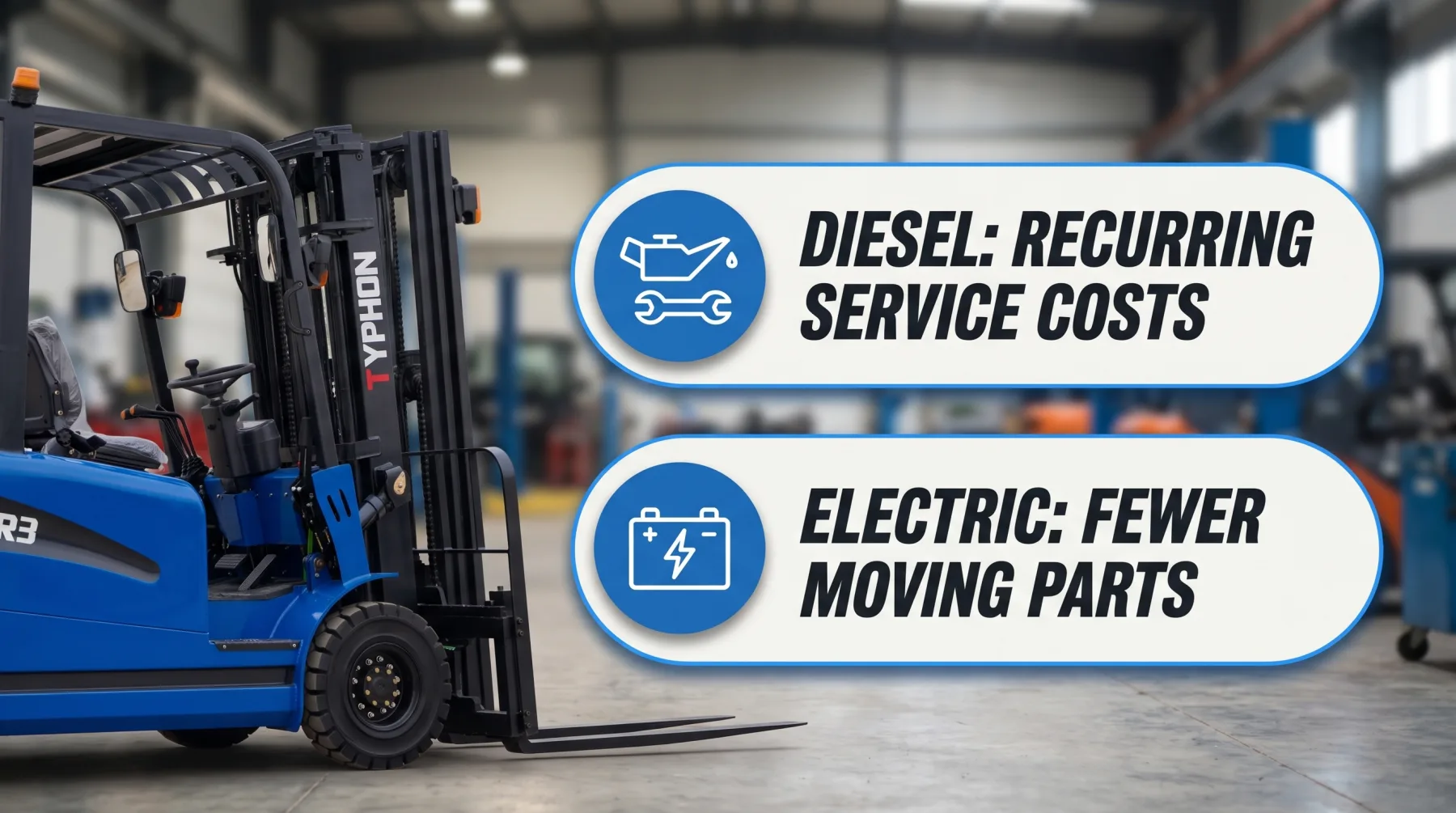
Diesel engines demand steady, hands-on maintenance. Oil changes, fuel and air filters, coolant service, belts, and engine tune-ups all recur on an hour-based schedule, and each one costs parts, labor, and shop time. Those intervals never stop for as long as you own the machine. Electric machines have far fewer moving parts and no engine to service. No oil changes, no fuel filters, no exhaust system to maintain, which slashes routine upkeep. Comparing the diesel engine maintenance schedule against an electric machine’s short service list usually shows dramatically lower routine costs on the electric side.
Wear, Repairs, and Component Life
Fewer parts means fewer failures. A diesel engine has hundreds of components that wear, foul, or break, and each is a potential repair bill. An electric drivetrain’s simplicity means fewer things go wrong over the machine’s life, lowering repair frequency. The big exception is the battery. Battery packs degrade over years and eventually need replacement, which is a significant cost buyers must plan for. Weigh that eventual battery expense against a diesel machine’s steady stream of engine repairs, and the electric machine often still comes out ahead over a full ownership period.
The Real Cost of Downtime
Downtime is the cost buyers underestimate most. Every hour a machine sits broken is an hour of stalled work, missed deadlines, and idle crew, and that lost productivity often dwarfs the repair bill itself. Diesel machines have more failure points, so they tend toward more unplanned stops. Electric machines run more reliably day to day, though a depleted battery mid-shift is its own kind of downtime worth planning around with charging or a spare pack. Takeaway: electric machines cost far less to maintain and break down less often, so once you factor in downtime and the diesel engine’s endless service schedule, the electric machine usually saves real money year after year.
How Total Cost of Ownership Decides the Winner
The only fair comparison adds every cost across the machine’s working life. Total cost of ownership is where the savings question is truly answered, and where the winner often flips from the sticker-price favorite. Here’s how to run that math for your own work.
Adding Up the Full Picture
Total cost of ownership combines purchase price, energy, maintenance, repairs, downtime, and resale over the years you’ll own the machine. A diesel machine’s low entry price gets offset by higher fuel and maintenance, while an electric machine’s premium gets repaid through cheaper energy and upkeep. Set a realistic ownership window, then tally each category across it. Weighing the full total cost of ownership comparison over five to ten years usually tells a very different story than the purchase price alone. The machine that costs more today frequently costs less overall.
When Electric Saves More
Electricity tends to win when the machine runs hard indoors on predictable hours. High daily usage magnifies fuel and maintenance savings, easy access to charging keeps it running, and available incentives shrink the premium. Forklifts and scissor lifts in warehouses and enclosed sites fit this profile perfectly. The savings compound the longer and harder you run it. A high-hour, single-site electric machine often recovers its premium in a few years, then keeps saving for the rest of its life. For steady, intensive indoor work, electricity is usually the cheaper machine over time.
When Diesel Still Makes Sense
Diesel can still be the cheaper choice in the right conditions. Remote sites with no reliable power, work that demands long uninterrupted runtime, and rough outdoor terrain all favor a machine that refuels in minutes and runs independently. For low-hour or occasional use, the fuel and maintenance savings never grow large enough to repay an electric premium. Match the choice to your reality rather than the trend. A machine used lightly, far from power, or across rugged ground may cost less over its life as a diesel. Takeaway: total cost of ownership decides the real winner, and electric usually saves more for heavy, indoor, predictable work while diesel stays cheaper for light, remote, or rugged use, so run the full math on your own hours before you buy.
Frequently Asked Questions
Is electric or diesel cheaper to own overall?
For most heavy, daily, indoor work, electricity is cheaper to own over time despite its higher purchase price. Lower energy costs, minimal routine maintenance, fewer breakdowns, and available incentives repay the premium within a few years and keep saving after that. Diesel can be cheaper overall only for light-duty, remote, or rugged-terrain use where those savings never grow large enough to matter. The answer always depends on how hard and where you run the machine.
Why is an electric machine more expensive to buy?
The battery pack is the main reason. It’s the single most expensive component in an electric forklift, scissor lift, or compact machine, and it drives the price gap over a comparable diesel model. Combustion technology is mature and cheap to build, so diesel wins the sticker price. Rebates and tax credits for electric equipment can erase much of that premium, so always check available incentives before assuming diesel is the cheaper buy.
How much can I save on fuel by going electric?
Savings vary with usage, but electricity typically costs a fraction of diesel fuel per hour of work because electric motors run more efficiently and waste no energy idling. A machine that runs all day, every day can save a substantial amount annually, often enough to cover much of the higher purchase price over a few years. Track your real fuel use per shift and compare it against local electricity rates to size your own savings.
Does electric equipment really need less maintenance?
Yes, significantly less. Electric machines have far fewer moving parts and no engine, so they skip oil changes, fuel and air filters, coolant service, belts, and exhaust upkeep entirely. That means lower routine costs and fewer breakdowns. The main long-term expense is eventual battery replacement, which you should plan for, but even with that cost, electric maintenance usually stays well below a diesel machine’s ongoing engine service over the same period.
When does diesel still save more money?
Diesel stays cheaper in specific conditions: remote sites without reliable power, work needing long uninterrupted runtime, rough outdoor terrain, and light or occasional use. In these cases, the ability to refuel in minutes and run independently outweighs electric’s operating savings, and low hours mean the fuel and maintenance advantages never grow large enough to repay an electric premium. Match the power source to your real environment and duty cycle rather than defaulting to one answer.
Conclusion
Deciding whether electric or diesel saves more money comes down to looking past the sticker price and running the full total cost of ownership across the years you’ll actually own the machine, because while diesel almost always wins the purchase price thanks to cheap, mature engine technology, that early advantage gets steadily eaten away by higher and less predictable fuel costs, an endless engine maintenance schedule, more frequent breakdowns, and the lost productivity of unplanned downtime, whereas an electric forklift, scissor lift, or compact machine repays its higher upfront cost through far cheaper and more stable energy, minimal routine service, fewer failures, available rebates, and strong resale value, so the smart move is to add up every cost category over five to ten years for your own hours, environment, and duty cycle rather than trusting the number on the invoice, and you’ll usually find that electric saves more for heavy, indoor, predictable work while diesel stays cheaper for light, remote, or rugged use; when you’re ready to run those numbers against the right machine for your operation, reach out to a trusted equipment specialist who can pair dependable equipment with the savings your bottom line depends on.