Electric Forklift Buying Guide for Real Warehouse Decisions
This page is built to answer the commercial questions buyers actually search for before they request quotes: how to size the truck, how to choose between battery systems, what affects total cost, and how to avoid expensive spec mistakes. It also connects directly to your maintenance, safety, operator, and project pages so the full website works like one strong expert resource.
What matters most before you ask for a price
The strongest forklift quotes come after the operation is defined correctly. These three points shape almost every good buying decision and make your other pages on maintenance, safety, and operator efficiency more useful at the same time.
Choose the truck around the real aisle and real load
Buyers often start with a capacity number, but the actual decision is shaped by load center, lift height, turn radius, and whether the machine works only indoors or also touches ramps and yard surfaces.
Energy planning changes the total cost more than the brochure suggests
Lithium-ion often wins where uptime matters. Lead-acid can still work when charging windows are long and the duty cycle is lighter. The right answer depends on the shift pattern, not marketing language.
Buying decisions improve when service and safety are planned early
A good machine choice is easier to maintain, safer to operate, and simpler to deploy on projects. That is why this page links directly to your maintenance guide, safety training page, and operator tips resource.
The six specs every serious buyer should define first
This framework helps the buying guide rank for commercial intent while staying genuinely useful. It also creates natural internal links to your maintenance, safety, operator, and project pages.
Heaviest real load
Capture the maximum pallet, pallet quality, and any non-standard load shape. This affects capacity, visibility, and safe stacking more than average loads do.
True lift height
Measure top beam placement, clearances, and collapsed height restrictions. The mast choice should match the building, not only the nominal lift number.
Actual aisle bottlenecks
A narrow transfer point or dock turn can matter more than the main rack aisle. Real measurements beat layout assumptions every time.
Duty cycle and charging windows
Track shift length, pause windows, and how often the truck handles peak demand. That decides whether lithium-ion or lead-acid is the cleaner fit.
Surface and tire match
Smooth indoor concrete favors one setup, while mixed ramps or yard movement can push the buyer toward a more robust tire and stability package.
Service and operator reality
Before committing, connect this decision to your maintenance plan and operator workflow so the truck performs after delivery, not only on paper.
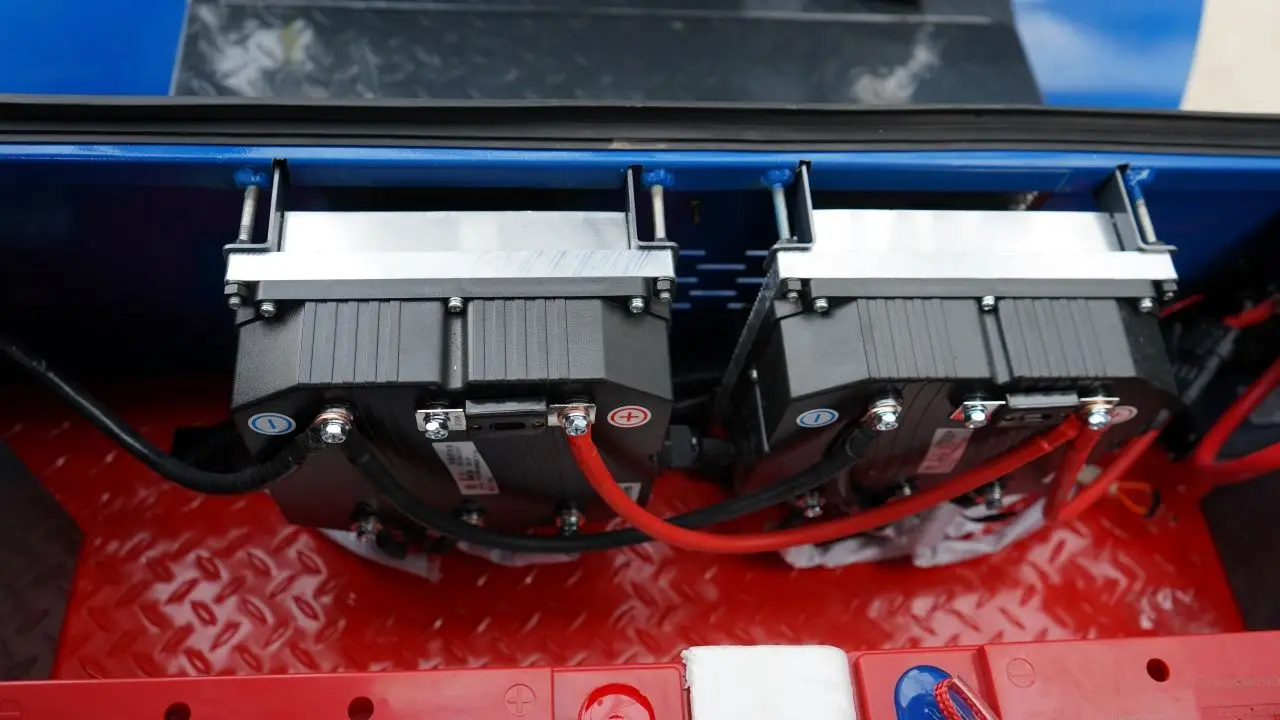
Lead-acid vs lithium-ion for electric forklifts
Battery selection shapes uptime, labor, service effort, and ownership cost. This section is built to satisfy searchers who compare battery chemistries before they commit to a fleet direction.
| Factor | Lithium-ion | Lead-acid |
|---|---|---|
| Charge behavior | Fast charging and top-up friendly | Longer charge and cool-down cycle |
| Maintenance | Lower routine maintenance | Watering, cleaning, and more handling |
| Best fit | High-uptime, multi-shift operations | Single shift or lighter use cases |
| Budget shape | Higher upfront, lower hassle later | Lower upfront, more operating discipline needed |
Why this matters for the rest of the website
Battery strategy does not live in isolation. It changes service routines, influences charging safety training, and shapes project deployment planning for mixed-use fleets.
What to compare before you choose a supplier
Search visibility is only useful when the page helps visitors act. This section turns research into a stronger buying brief and keeps the site commercially useful.
Compare more than the base truck price
Battery, charger, mast, side shift, tires, warranty, and lead time.
Verify lift height, load center, attachments, and actual operating surface.
Local service access, parts availability, and expected response times.
The buying shortcuts that usually cost more later
Capacity drops with lift height, long loads, and attachments.
A poor charging plan creates downtime even when the truck is well chosen.
The best buying decision becomes stronger when paired with training and operator practice.
How do I choose the right electric forklift size?
Start with the heaviest real load, then add pallet weight, attachments, actual load center, and lift height. The right forklift is the one that remains stable and productive at real operating conditions, not only on a brochure rating.
Is lithium-ion better than lead-acid for every business?
No. Lithium-ion is usually the better fit for multi-shift use and lower maintenance, but lead-acid can still be the right choice where duty cycles are lighter and charging windows are long.
What should I send to suppliers to get accurate quotes?
Send your heaviest load, lift height, narrowest aisle, operating hours, surface conditions, attachments, charging preference, and required support level. That is the cleanest path to comparable proposals.