The Science of Surface Compaction
In the hierarchy of heavy construction, the road roller serves as the final architect of structural integrity. Whether it is a massive interstate highway, an airport runway, or a residential foundation, the strength of the surface is dictated by the quality of the compaction underneath. Loose soil and fresh asphalt contain air voids that, if left untreated, lead to rapid degradation, water penetration, and structural collapse.
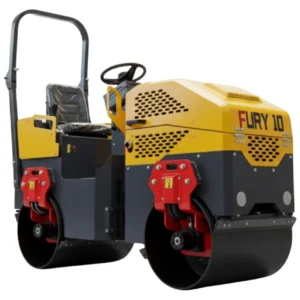
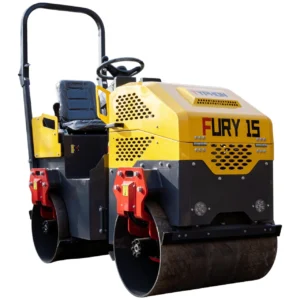
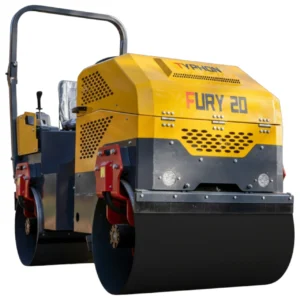
At American Forklift, we provide industrial-grade road rollers for sale that utilize advanced vibratory technology to deliver maximum density in minimum passes. Our machines are engineered to bridge the gap between static weight and dynamic force. By utilizing high-frequency vibrations, our rollers manipulate the particles in the ground—rearranging them into their most stable, load-bearing configuration. This ensures that every layer of your project meets the most stringent industrial density specifications.
Selecting a professional roller requires a deep understanding of material types. From the cohesive properties of clay to the granular nature of gravel and the thermal requirements of hot-mix asphalt, our equipment is built to adapt. This guide explores the engineering excellence behind our compaction fleet and how these machines ensure the longevity of modern infrastructure.
Vibration vs. Oscillation: Technical Mastery
Precision compaction requires more than just weight. It requires the correct application of force to protect the material surface.
Vertical Vibration
Vertical vibratory rollers use high-impact forces to penetrate deep into the soil. They are the primary choice for thick lifts of aggregate and soil stabilization. By delivering powerful vertical blows, they ensure that the base layers are rock-solid and ready for heavy traffic loads.
Drum Oscillation
Oscillation technology uses a "massaging" motion rather than vertical impacts. This is critical when working on bridges, near sensitive structures, or over existing utilities. It provides superior compaction without the risk of damaging the surroundings through ground-borne shockwaves.
Why Professionals Choose Our Compaction Fleet
Max Centrifugal Force
Equipped with massive eccentric weights, our rollers deliver upwards of 400kN of force. This allows for deep compaction depths, reducing the number of passes needed to achieve target density.
Intelligent Watering Systems
To prevent hot asphalt from sticking, our tandem rollers feature pressurized, dual-spray systems with large water tanks, ensuring the drums stay clean and the finish stays perfectly smooth.
Heavy-Duty Drum Scrapers
Self-adjusting scrapers continuously clear debris from the drum surface. This prevents "drum pitting" and ensures that the surface finish remains consistent across the entire width of the machine.
Compaction Control Monitors
Modern sensors track the stiffness of the ground in real-time. Operators can see exactly when target density is reached, preventing "over-compaction" which can crush the aggregate and weaken the road.
Superior Gradeability
With high-torque hydraulic motors and specialized traction control, our rollers can handle inclines of up to 45%, making them ideal for embankment work and sloped highway ramps.
Smart Fleet Telematics
Track your machine’s location, fuel usage, and vibratory hours through an integrated digital dashboard. This proactive data allows for optimized maintenance and minimizes unexpected downtime.
Versatility Across Industrial Sectors
From the first layer of earth to the final layer of asphalt, our rollers power every stage of development.
Highway Construction
Our heavy tandem and single drum rollers are built for high-production highway paving, ensuring durable surfaces that stand up to constant heavy-truck traffic.
Aviation & Runways
Airport infrastructure demands the highest density specs in the world. Our machines provide the deep-lift compaction needed for aircraft-ready tarmac.
Commercial Development
Perfect for parking lots, warehouse foundations, and industrial parks, our mid-sized rollers offer the maneuverability required for tight commercial sites.
Residential Sub-Divisions
From driveway paving to sidewalk preparation, our compact rollers provide vibration-controlled precision that won't disrupt nearby residential structures.
The Engineering of Heavy Compaction
Understanding the physics behind the machine ensures the highest quality output on every job site.
The efficiency of a road roller is calculated through the relationship between its static linear load and its centrifugal force. A high-mass machine provides the initial "press," but the vibratory frequency (Hz) is what truly eliminates the microscopic air pockets in the soil. By matching the frequency of the machine to the resonant frequency of the soil type, operators can achieve maximum stabilization in as little as two passes.
360° Visibility
Low Decibel
Climate Cab
E-Joy Controls
The Ultimate Operating Environment
Compaction work can be tedious and physically demanding. To combat operator fatigue, our rollers feature pressurized cabs that block out dust and engine noise. The "Cab-Forward" design ensures that the operator has a direct line of sight to the drum edges, which is vital for edge-to-edge compaction near curbs and walls. With air-ride seats and intuitive electronic controls, operators can maintain peak performance for the entire shift.
Frequently Asked Questions
What is the difference between a smooth drum and a padfoot roller?
Smooth drums are designed for granular materials like sand, gravel, and asphalt. Padfoot rollers (sheep's foot) have "teeth" that penetrate cohesive soils like clay, kneading the moisture out and compacting from the bottom up.
How do I know when the soil has reached 100% density?
While on-site nuclear gauges are the gold standard, our machines feature on-board Compaction Meters that measure ground resistance and notify the operator via the dashboard when the soil has reached its maximum stiffness.
Why is "Oscillation" better for compacting on bridges?
Vertical vibration can cause resonant frequencies that damage bridge joints and structures. Oscillation remains in constant contact with the ground and uses horizontal shear forces, making it safe for delicate environments.
What maintenance is required for the vibratory system?
The eccentric oil inside the drum must be changed at regular intervals (typically every 500-1000 hours). It is also vital to check the rubber isolators (buffers) to ensure vibrations are not transferring to the machine frame.
Can these machines handle steep highway ramps?
Yes. Our rollers are equipped with "High-Traction" systems and limited-slip differentials, allowing them to maintain consistent speed and compaction force on grades up to 40-45%.